Projet Heifer International Népal (2025)
Élaboration de plans d'adaptation basés sur l'agroforesterie pour des plaines inondables résilientes (BAGAR)
Informations sur le projet
Le Népal est extrêmement vulnérable aux changements climatiques et aux risques multiples, notamment aux inondations régulières de la mousson et aux crues imprévisibles induites par le climat. Des mesures d'adaptation sont nécessaires de toute urgence dans les bassins fluviaux du pays, véritables points chauds des écosystèmes et des services écosystémiques qui assurent les moyens de subsistance, particulièrement sensibles au climat, des communautés marginalisées. La sédimentation a rendu les plaines inondables impropres à la culture, entraînant une insécurité alimentaire et une perte de moyens de subsistance, surtout pour les femmes et les groupes marginalisés.
Le projet BAGAR (Building Agroforestry-Based Adaptation Plans for Resilient Floodplains) soutient la régénération et la gestion durable des plaines inondables du bassin du fleuve Bagmati au Népal. Mis en œuvre dans la municipalité de Gadhimai, dans les basses terres du Teraï, et dans la municipalité rurale de Marin, dans le paysage de Chure/moyennes collines, ce projet combine données hydrologiques, analyse participative des risques, planification de l'utilisation des terres et conception agroforestière. Les autorités locales, les forums d'adaptation fondée sur les écosystèmes (EbA) des quartiers et des municipalités, les agriculteurs, les femmes, les peuples autochtones, les Dalits et les groupes vulnérables au changement climatique élaborent conjointement des solutions qui réduisent les risques d'inondation et d'érosion tout en améliorant l'accès à l'alimentation, au fourrage, au bois de chauffage et aux revenus. Le projet encourage les systèmes productifs sur les terres agricoles stables, les systèmes adaptatifs sur les terres inondables de façon saisonnière et affectées par les sédiments, ainsi que les zones tampons de protection et le génie biologique sur les berges actives et les pentes sujettes à l'érosion.
Heifer International Nepal pilote la mise en œuvre de ce projet avec le soutien de ForestAction Nepal et de The Small Earth Nepal, en étroite collaboration avec les municipalités de Gadhimai et de Marin. Les plans, mécanismes de gouvernance et outils SIG qui en résultent sont conçus comme des modèles adaptables pour une gestion des plaines inondables résiliente face au changement climatique à travers le Népal.
Mises à jour du projet
1. Établi Systèmes de gouvernance inclusifs EbA :
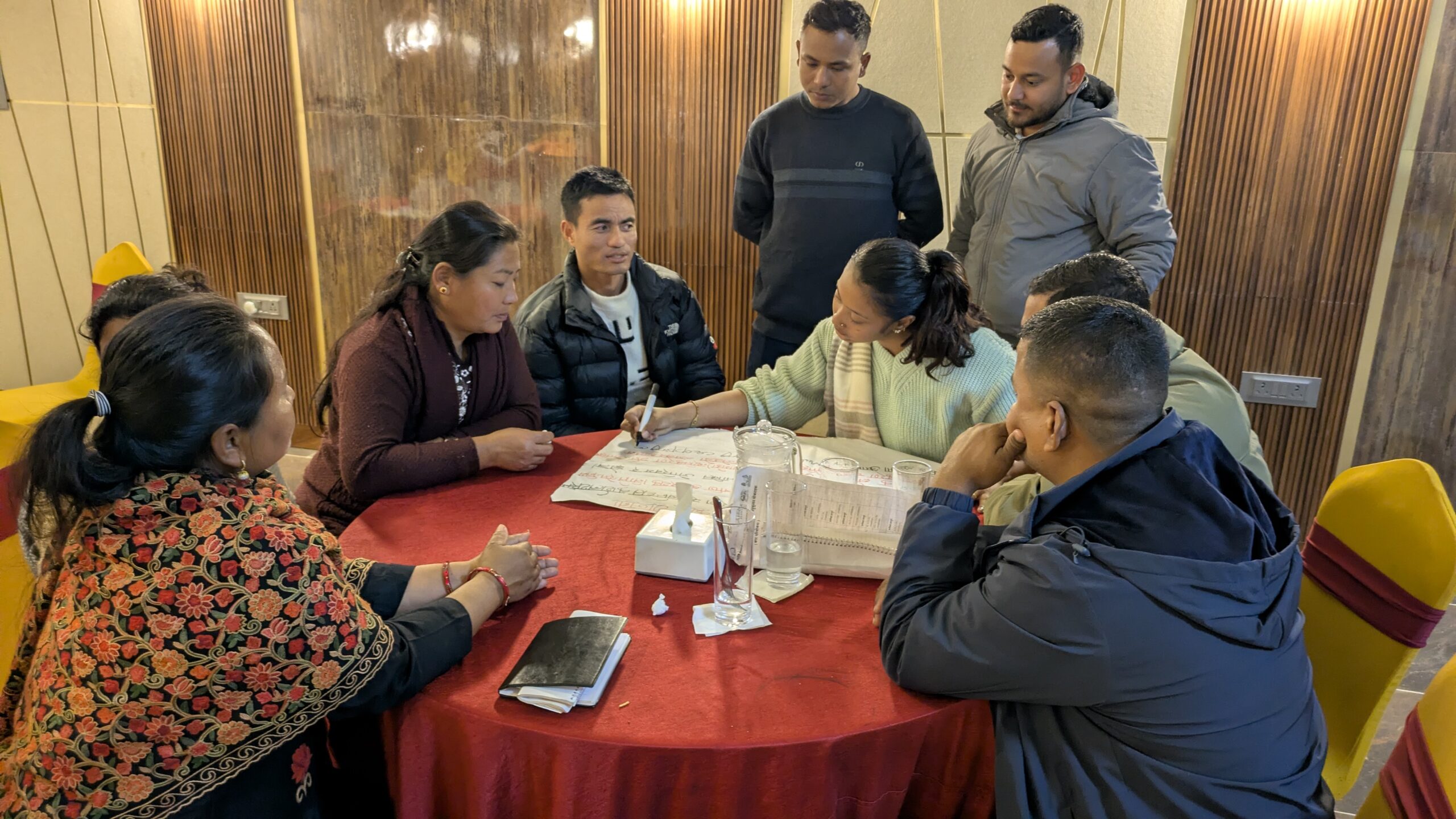
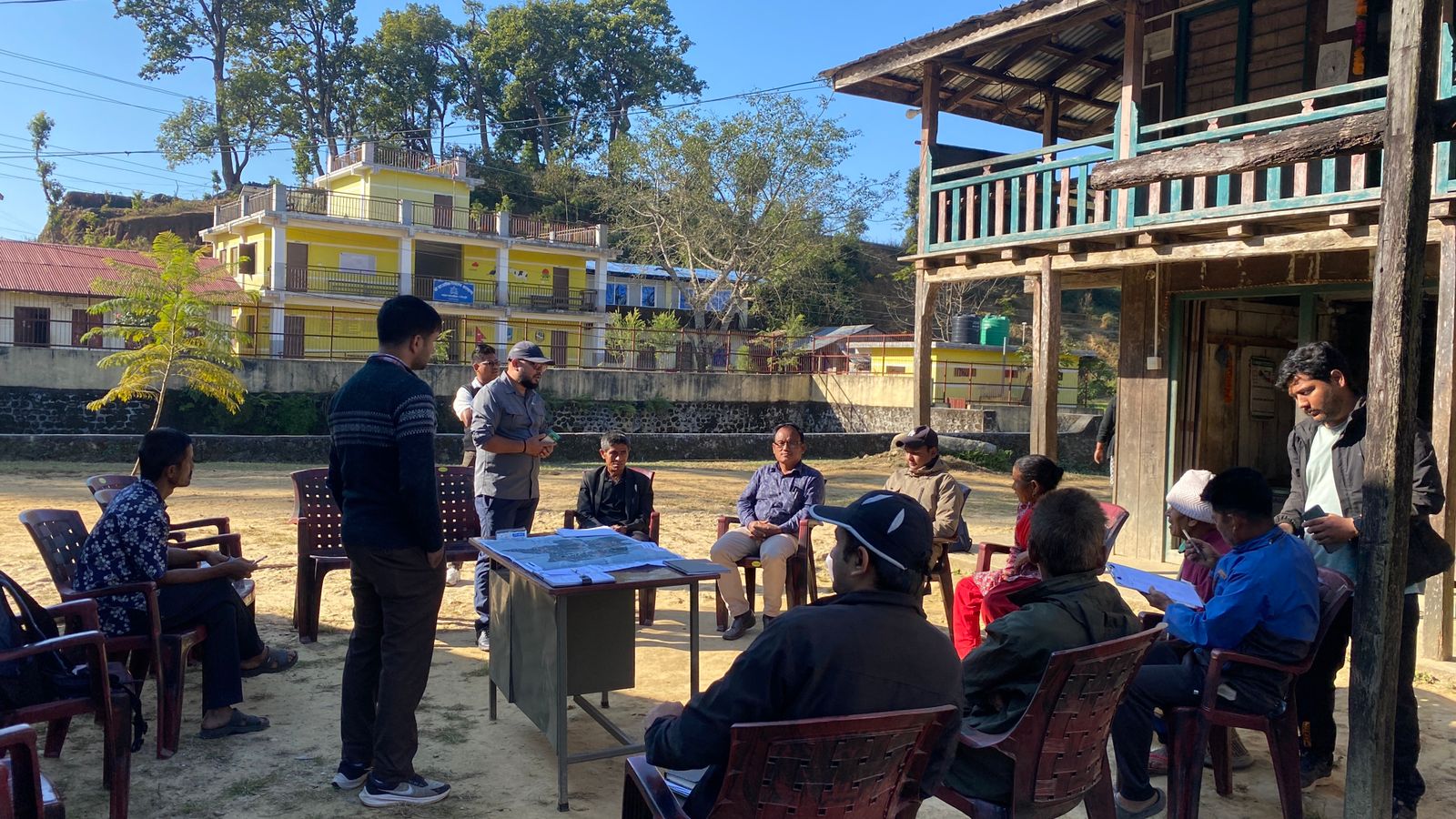
Des forums d'agroforesterie ont été mis en place aux niveaux des quartiers et des municipalités afin de promouvoir une prise de décision inclusive et participative. Les forums de quartier ont réuni des représentants des collectivités locales, des groupes d'usagers des forêts et de l'eau, des groupements agricoles, des comités de gestion des catastrophes, des associations de jeunes et des éco-clubs, tandis que les forums municipaux ont impliqué les élus et les principaux services sectoriels. Les forums de quartier ont examiné les options agroforestières et diffusé des supports de sensibilisation, tandis que les forums municipaux se sont concentrés sur l'intégration des solutions agroforestières identifiées dans les plans et les budgets. La gouvernance locale inclusive a été renforcée par la création de deux comités d'élaboration de plans directeurs municipaux composés de 15 membres et par l'organisation de deux formations au leadership, au plaidoyer, au réseautage et à l'influence.
2. Capacité institutionnelle renforcée pour EbA :
Les capacités institutionnelles en matière d'adaptation fondée sur les écosystèmes (AFE) ont été renforcées par l'élaboration d'un manuel de formation complet et par des formations de renforcement des capacités aux niveaux des quartiers et des municipalités. Ce manuel offre aux administrations municipales et aux institutions communautaires une ressource scientifiquement fondée et axée sur la pratique pour concevoir et institutionnaliser des mesures écosystémiques de gestion des bassins versants, de restauration des plaines inondables et de moyens de subsistance adaptés au changement climatique.
3. Données probantes générées pour la planification climatique :
La réalisation et la validation de deux évaluations multipartites de la vulnérabilité et des risques climatiques ont permis d'établir une base de données probantes solide pour une planification municipale résiliente face au climat et tenant compte des risques, ainsi que pour la priorisation des actions d'adaptation. La modélisation hydrologique et les projections des risques d'inondation ont été validées lors de 13 événements organisés à l'échelle municipale et de quartier, impliquant 212 participants. Par ailleurs, une cartographie de scénarios SIG a été réalisée pour les deux municipalités, établissant un lien entre la proximité des cours d'eau, les routes, la pente, l'altitude et l'utilisation des sols et les systèmes agroforestiers productifs, adaptatifs et protecteurs.
4. Intégrer l’EbA dans les cadres d’aménagement du territoire :
L’élaboration et l’adoption de deux plans d’aménagement du territoire municipaux ont intégré les principes de réduction des risques climatiques, de restauration des écosystèmes et d’adaptation fondée sur les écosystèmes dans les cadres formels de planification spatiale et d’aménagement municipaux. L’élaboration et l’adoption de deux lignes directrices en matière d’agroforesterie ont favorisé des moyens de subsistance résilients face au climat, une gestion durable des terres et des systèmes de production fondés sur la nature, conformes aux approches d’adaptation fondée sur les écosystèmes.
5. Intégrer l’approche fondée sur les connaissances dans la planification municipale :
Deux plans municipaux d'agroforesterie ont été approuvés pour Gadhimai et Marin, identifiant environ 3 515 hectares de zone d'intervention potentielle et ciblant en priorité près de 9 033 ménages vulnérables. Ces plans définissent le zonage, les systèmes et espèces spécifiques à chaque quartier, les cadres de coûts, les garanties GEDSI et les modalités de mise en œuvre sur dix ans.
6. Sensibilisation accrue à l'EbA :
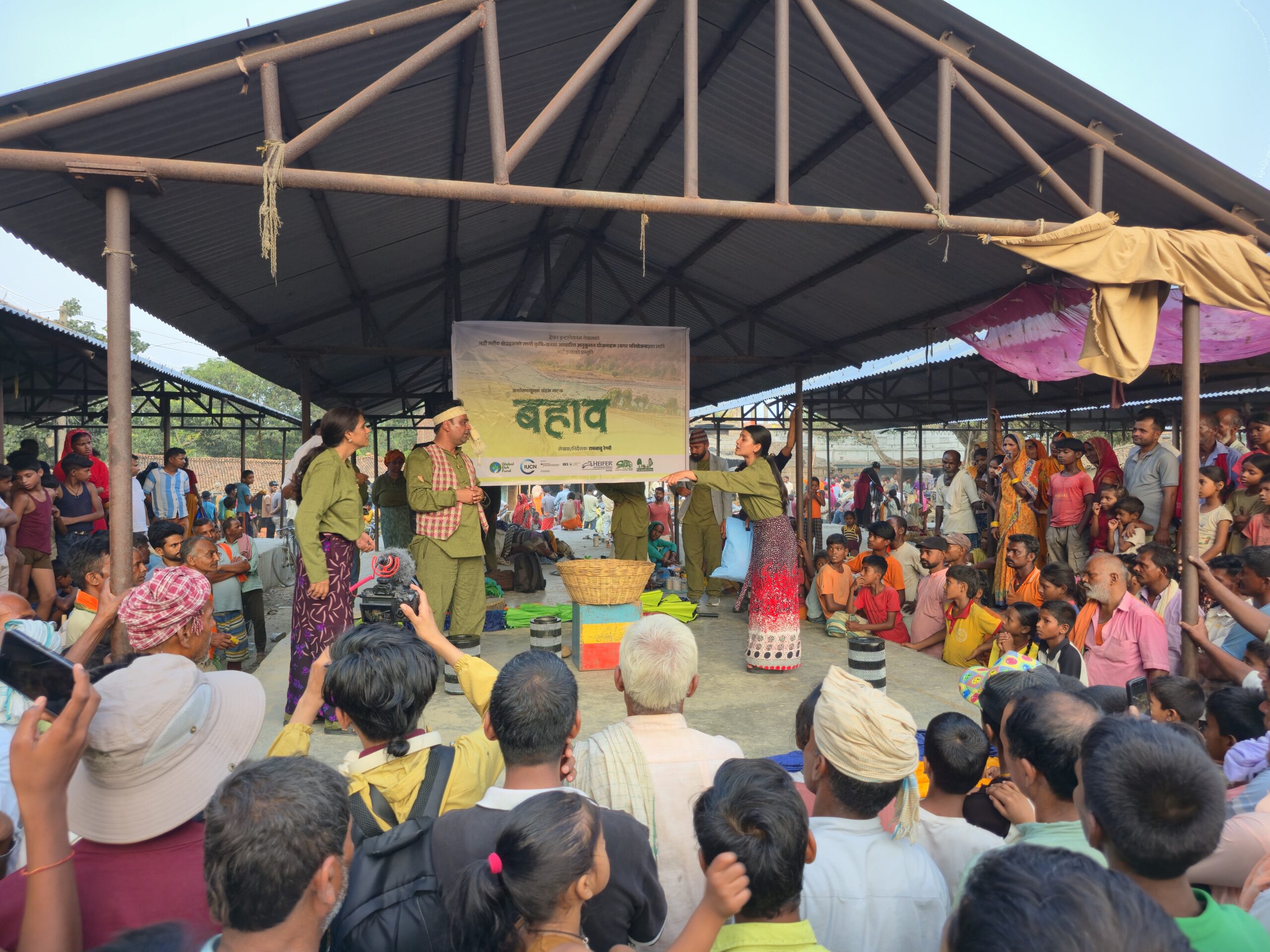
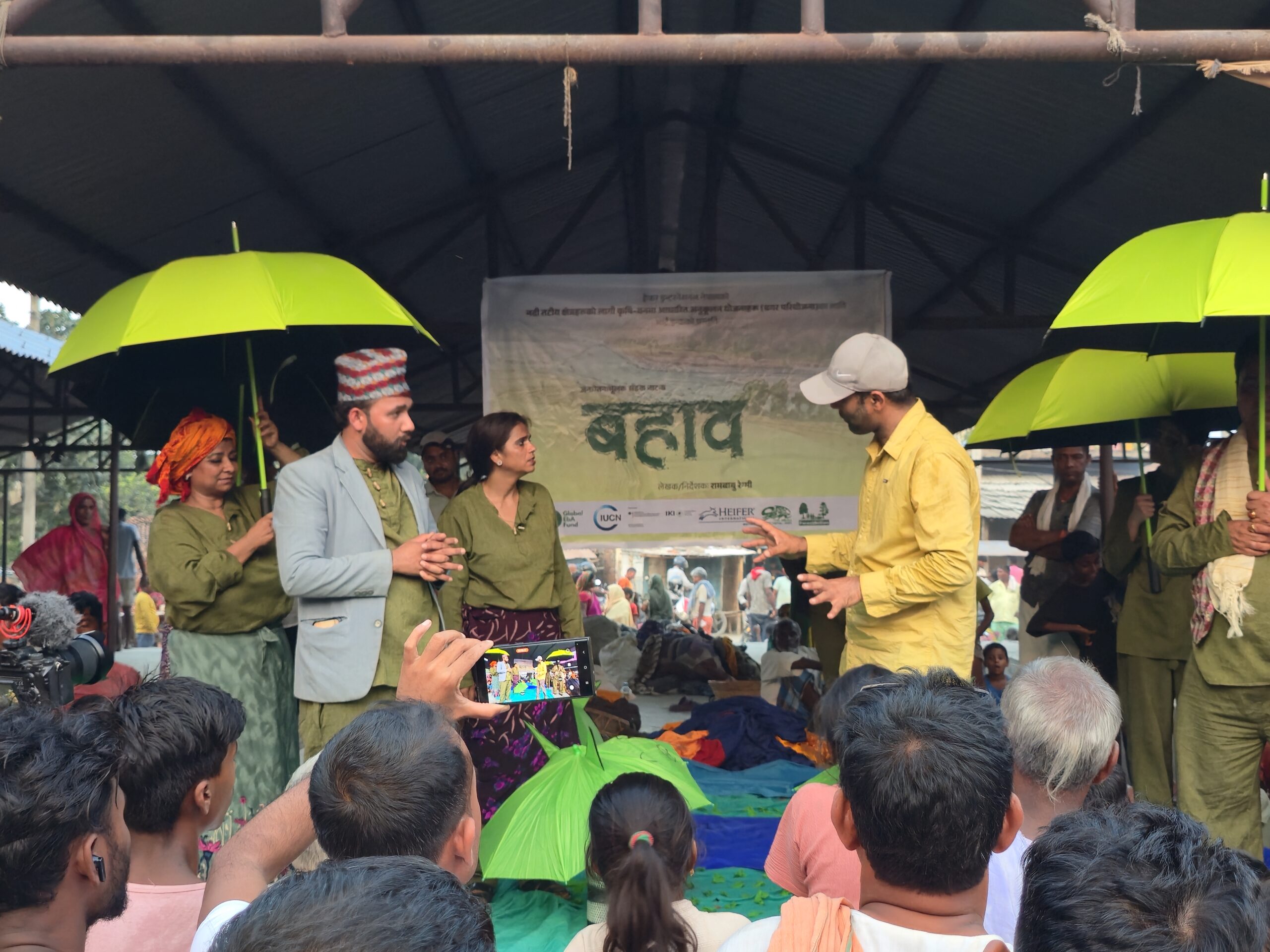
La campagne de communication a combiné des produits de connaissances haute résolution avec quatre messages d'intérêt public vidéo couvrant l'adaptation fondée sur les écosystèmes dans les plaines inondables, la vulnérabilité climatique, les pratiques d'adaptation locales, la résilience communautaire et les solutions agroforestières, quatre messages d'intérêt public radiophoniques en népalais et en bajika (langue locale) et des représentations théâtrales de rue dans quatre lieux différents.
Ressources
Projet Heifer International Népal (2025)
Cartographier la vulnérabilité et cultiver la résilience
Projet Heifer International Népal (2025)