
Heifer Project International Nepal (2025)
Building Agroforestry-based Adaptation plans for Resilient floodplains (BAGAR)
Project Information
Nepal is highly vulnerable to climate change and multi-hazards, especially regular monsoon floods and unpredictable climate-induced flooding. Adaptation measures are urgently needed in the country’s river basins, which are hotspots of ecosystems and ecosystem services that sustain the climate-sensitive livelihoods of marginalised communities. Sedimentation has rendered floodplain lands uncultivable, causing food insecurity and loss of livelihood opportunities, especially for women and marginalised groups.
Building Agroforestry-Based Adaptation Plans for Resilient Floodplains (BAGAR) supports the regeneration and sustainable management of floodplains in Nepal’s Bagmati River basin. Working in Gadhimai Municipality in the lowland Terai and Marin Rural Municipality in the Chure/mid-hill landscape, the project combines hydrological evidence, participatory risk analysis, land-use planning and agroforestry design. Local governments, ward and municipal EbA Forums, farmers, women, Indigenous peoples, Dalits and climate vulnerable groups co-develop solutions that reduce flood and erosion risks while improving food, fodder, fuelwood and income opportunities. The project promotes productive systems on stable farmland, adaptive systems on seasonally flooded and sediment-affected land and protective buffers and bioengineering on active riverbanks and erosion-prone slopes.
Heifer International Nepal leads implementation with the support of ForestAction Nepal and The Small Earth Nepal, while also working closely with Gadhimai Municipality and Marin Rural Municipality. The resulting plans, governance mechanisms and GIS tools are designed as scalable models for climate-resilient floodplain management across Nepal.
Project Updates
1. Established Inclusive EbA Governance Systems:
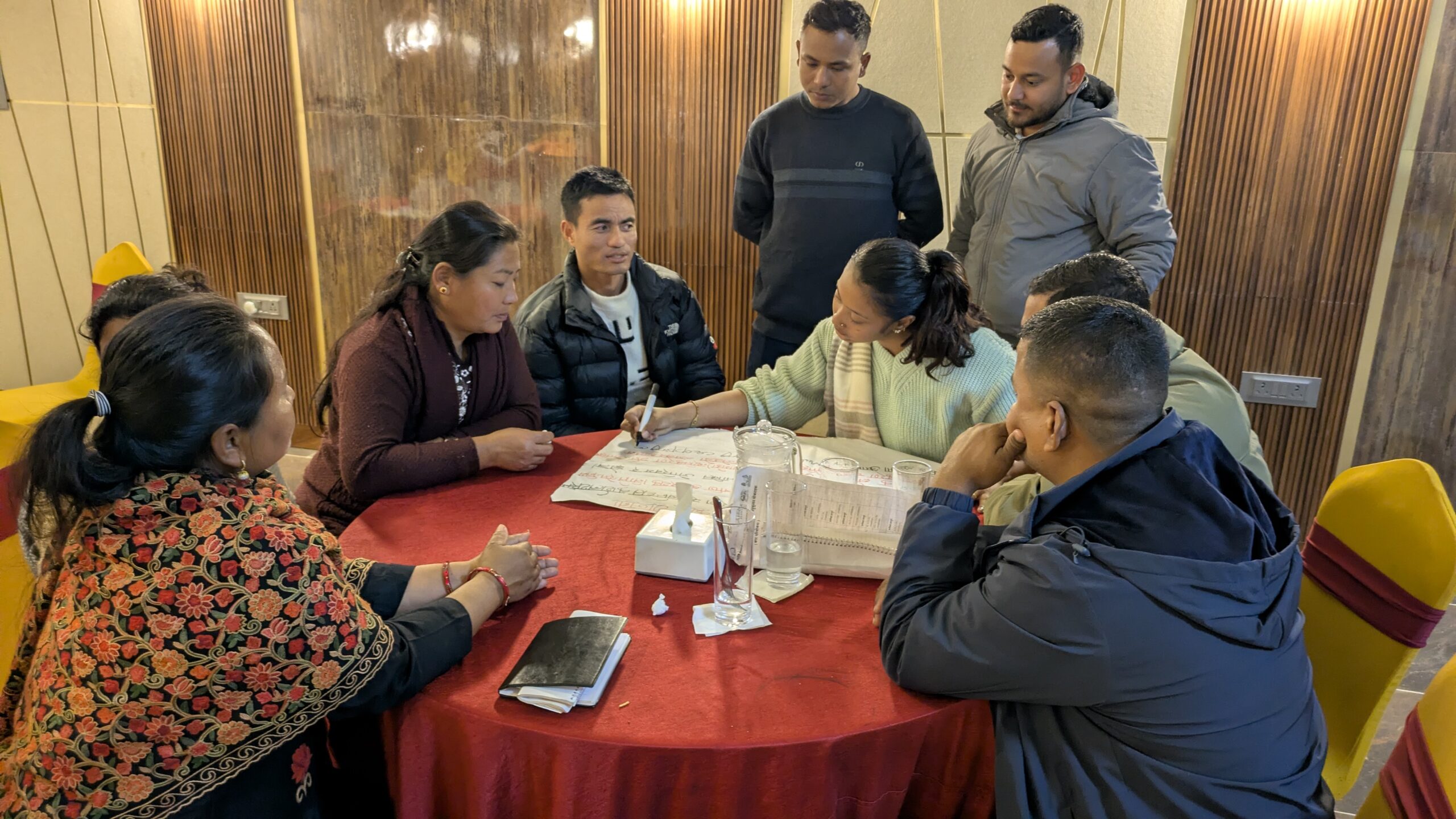
EbA forums were established at both ward and municipal levels to promote inclusive and participatory decision making. Ward-level forums brought together representatives from local government, community forest and water user groups, agricultural groups, disaster management committees, youth clubs and eco-clubs, while municipal-level forums engaged elected representatives and key sectoral departments. Ward-level forums reviewed agroforestry options and disseminated awareness materials, while municipal forums focused on mainstreaming identified agroforestry solutions into plans and budgets. Inclusive local governance was further strengthened through the formation of two 15-member Municipal Master Plan Development Committees and two leadership advocacy, networking and influencing trainings.
2. Enhanced Institutional Capacity for EbA:
Institutional capacity for EbA was strengthened through the development of a comprehensive EbA Training Manual and ward- and municipal-level capacity-building trainings. The training manual provides municipal governments and community institutions with a scientifically grounded and practice-oriented resource to design and institutionalize ecosystem-based measures for watershed management, floodplain restoration and climate-adaptive livelihoods.
3. Generated Evidence for Climate Planning:
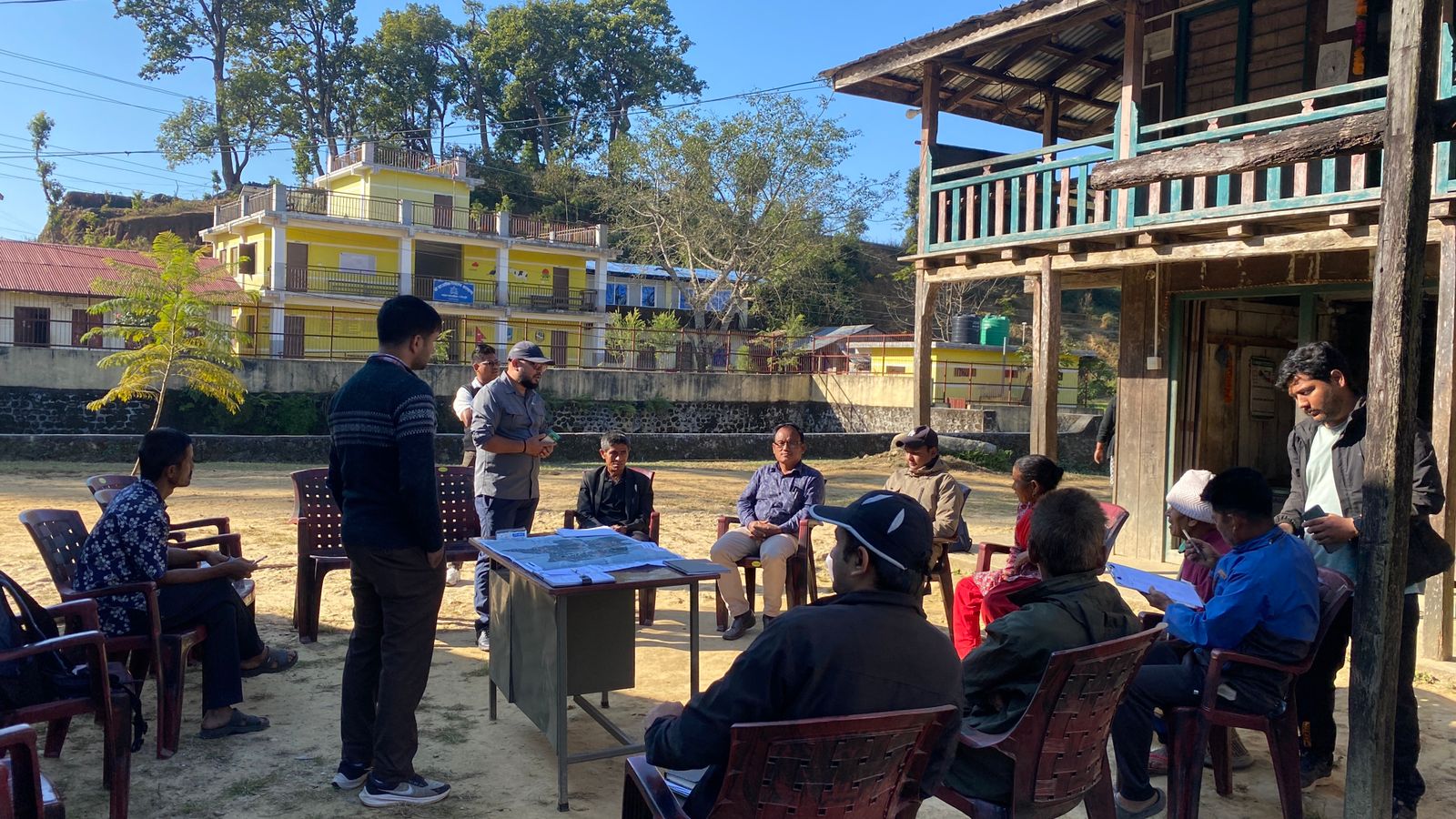
Completion and validation of two multi-stakeholder Climate Vulnerability and Risk Assessments established a strong evidence base for climate-resilient and risk-informed municipal planning and prioritization of adaptation actions. Hydrological modelling and flood-risk projections were validated through 13 municipal and ward-level events involving 212 participants. In addition, GIS scenario mapping was completed for both municipalities, linking river proximity, roads, slope, elevation and land use to productive, adaptive and protective agroforestry systems.
4. Integrated EbA into Land Use Frameworks:
Development and adoption of twoMunicipal level Land Use Plans embedded climate risk reduction, ecosystem restoration and ecosystem-based adaptation principles into formal municipal spatial and development planning frameworks. Development and adoption of two Agroforestry Guidelines promoted climate-resilient livelihoods, sustainable land management and nature-based production systems aligned with EbA approaches.
5. Integrated EbA into Municipal Planning:
Two municipal agroforestry plans were endorsed for Gadhimai and Marin, identifying approximately 3,515 ha of potential intervention area and prioritizing about 9,033 vulnerable households. The plans provide zoning, ward-specific systems and species, cost frameworks, GEDSI safeguards and ten-year implementation arrangements.
6. Raised Awareness of EbA:
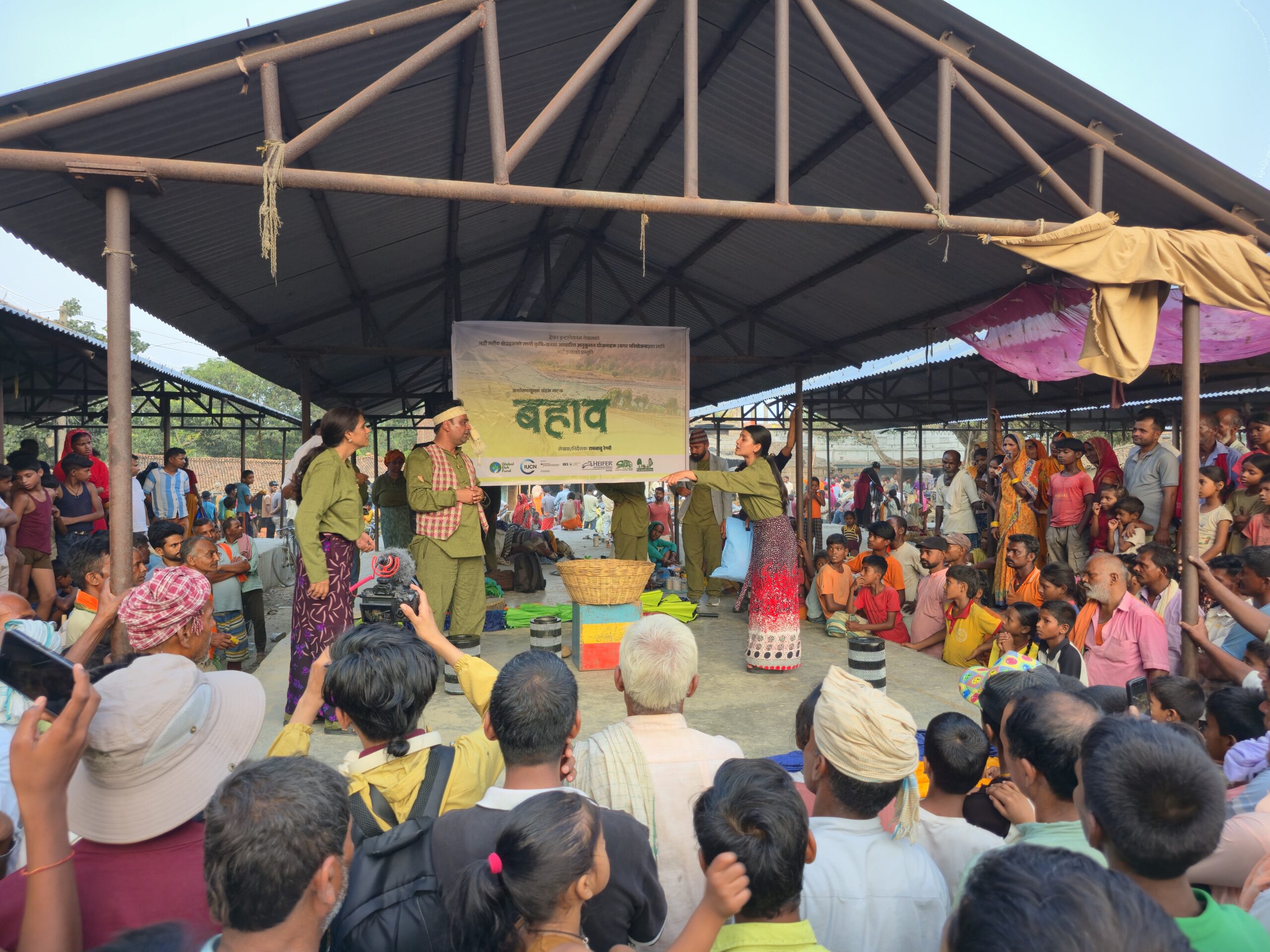
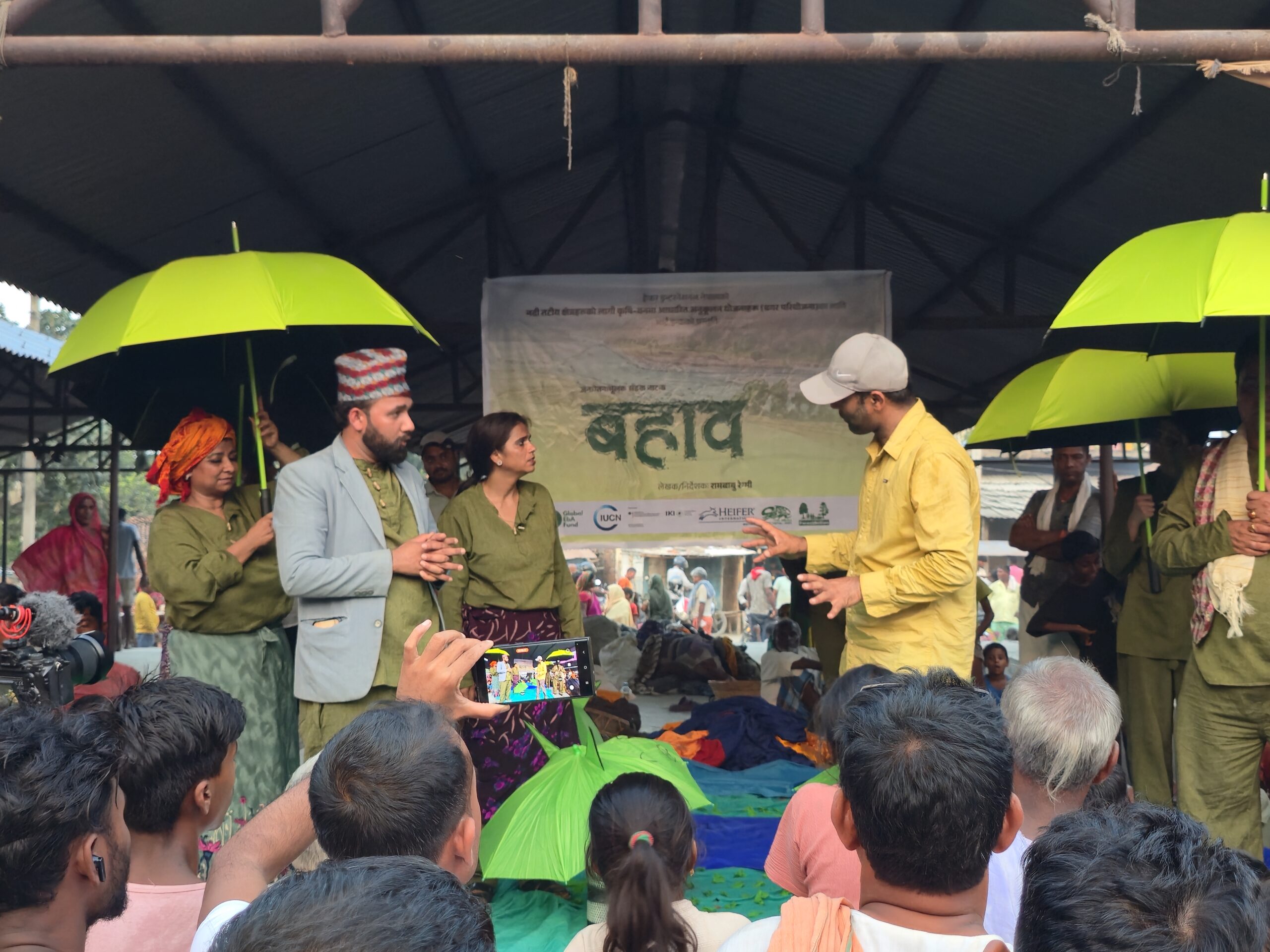
Communication outreach combined high-resolution knowledge products with four video PSAs covering EbA in floodplains, climate vulnerability, local adaptation practices, community resilience and agroforestry solutions, four radio PSAs in Nepali and Bajika (local language) and street-drama performances at four venues.
Resources
Heifer Project International Nepal (2025)
Mapping Vulnerability and Cultivating Resilience
Heifer Project International Nepal (2025)