Fondo Mundial para la Naturaleza Nepal (2025)
Mitigación de los conflictos entre los seres humanos y la vida silvestre mediante la AbE en Nepal
Información del proyecto
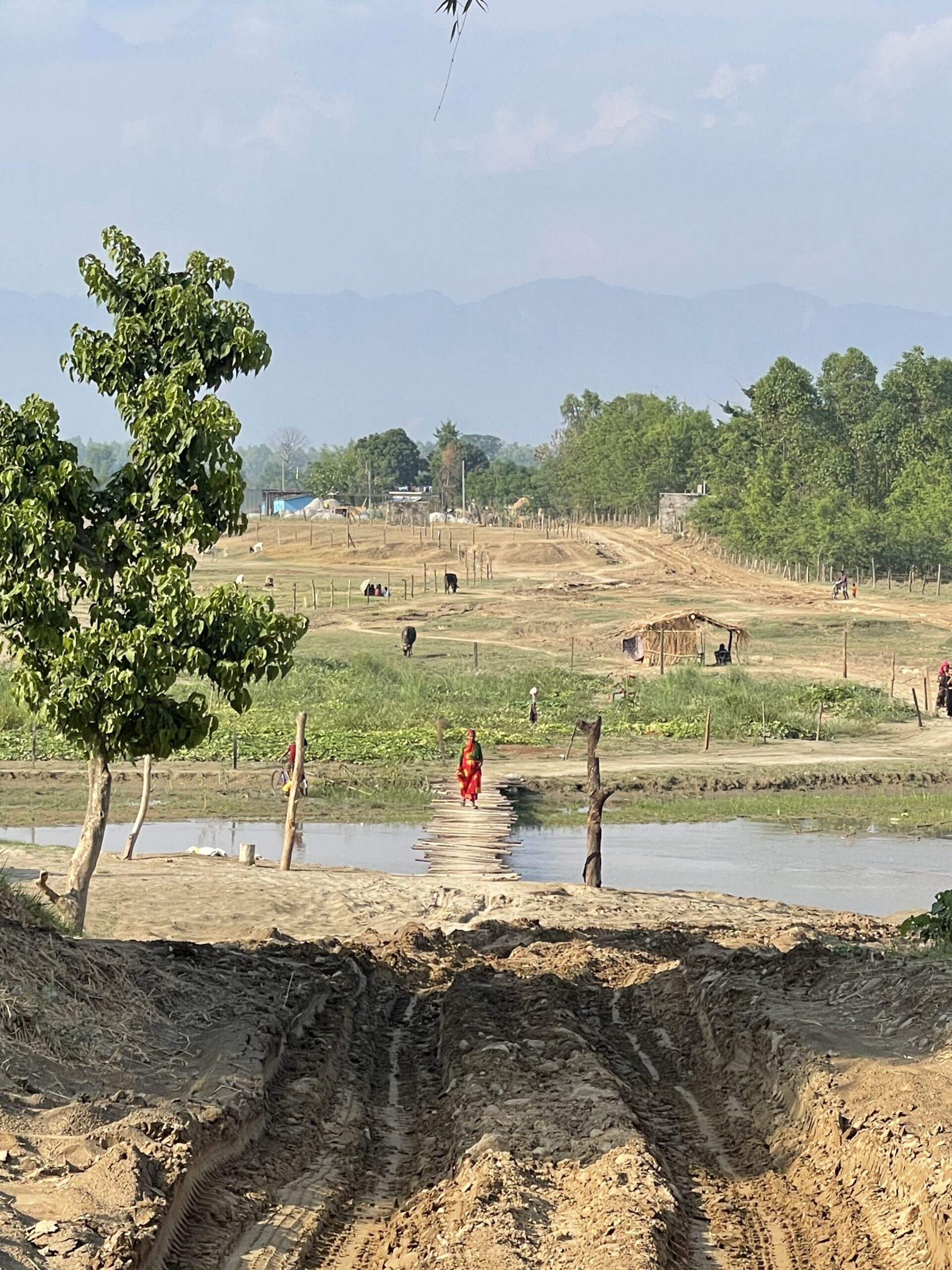
Este proyecto, implementado por WWF Nepal, se centra en el complejo Brahmadev-Laljhadi, ubicado en la provincia de Sudurpaschim, Nepal. Este paisaje abarca 82.032 hectáreas, desde el Terai hasta las colinas medias, y comprende un mosaico de parques nacionales y corredores biológicos. La Evaluación de Vulnerabilidad y Riesgo (EVR) de 2021 del Ministerio de Bosques y Medio Ambiente indicó que se prevé un aumento significativo de los riesgos relacionados con el clima para 2050 en la provincia de Sudurpaschim. La variabilidad climática impredecible está teniendo un impacto negativo en los bosques, los ecosistemas de agua dulce y las comunidades que dependen de estos recursos naturales vitales. La provincia sufre escasez de agua, un aumento en la frecuencia de incendios forestales debido a períodos secos prolongados, e inundaciones y deslizamientos de tierra recurrentes. Estas presiones plantean desafíos sin precedentes para los ecosistemas y sus servicios, provocando la pérdida de hábitats adecuados y fuentes de agua para la vida silvestre. La evaluación también reveló que los distritos dentro de las áreas del proyecto son puntos críticos para los desastres provocados por el cambio climático, lo que pone en riesgo creciente tanto los medios de subsistencia locales como los hábitats de la vida silvestre.
A medida que el cambio climático transforma la disponibilidad de recursos en la naturaleza y altera los servicios ecosistémicos, la Adaptación Basada en Ecosistemas (AbE) se vuelve crucial para reducir la posible escalada de los Conflictos entre Humanos y Vida Silvestre (CVS). La evidencia muestra que tanto los CVS como los riesgos climáticos están aumentando, existiendo una conexión entre ambos. Sin comprender el nexo entre el clima y los conflictos, las medidas convencionales de mitigación de los CVS se están volviendo ineficaces e insostenibles a largo plazo. Invertir en dichas medidas de mitigación mediante planes de desarrollo convencionales de los gobiernos locales y provinciales y las instituciones comunitarias de Gestión de Recursos Naturales (GRN) será inútil.
Dado que la comprensión del nexo entre el clima y los conflictos sigue siendo limitada en los sistemas de planificación local, el proyecto busca cerrar brechas de conocimiento mediante el desarrollo de un marco sobre dicho nexo, basado en estudios de caso, la identificación de intervenciones de AbE y el fortalecimiento de la capacidad de los responsables para traducir el conocimiento en acciones. Los resultados del proyecto también se compartirán a través de diversos medios para apoyar a los responsables de la toma de decisiones, a los entusiastas de la AbE y a los investigadores en la implementación de soluciones a gran escala en otras zonas del país, así como en otros países con contextos similares.
Estado del proyecto
Las evaluaciones del proyecto revelan que los distritos dentro del complejo son focos de desastres climáticos, con fuertes vínculos entre la vulnerabilidad climática y los conflictos armados. El mapeo de los impactos climáticos y los incidentes de conflictos armados dentro del complejo muestra una superposición significativa entre las áreas propensas a conflictos y las comunidades afectadas por el clima, especialmente aquellas ubicadas cerca de bosques y sistemas fluviales. En respuesta, el proyecto ha identificado una lista de medidas de adaptación basada en ecosistemas (EbA) a través de evaluaciones científicas y consultas comunitarias. Estas medidas de EbA brindan recomendaciones específicas para abordar el nexo entre clima y conflicto dentro del complejo Bramhadev-Laljhadi. Para fortalecer la capacidad de las partes interesadas clave para implementar intervenciones de EbA, el proyecto ha llevado a cabo una serie de actividades que incluyen programas de capacitación, campañas de sensibilización y una visita de intercambio. Una visita de intercambio al sitio del proyecto de WWF Nepal en el distrito de Chitwan demostró la efectividad de EbA.
El proyecto ha elaborado el Plan de Acción del Área de Conservación Forestal de Laljhadi-Mohana, que actualmente está pendiente de aprobación. Paralelamente, se están preparando Planes de Operación Forestal Comunitaria para los bosques comunitarios dentro del área del proyecto. Estos planes integran medidas de Adaptación Basada en Ecosistemas (EbA) para facilitar la incorporación de enfoques EbA. Además, el proyecto ha desarrollado varios productos de conocimiento para promover la comprensión de la relación entre el clima y los conflictos. Estos incluyen estudios de caso que investigan cómo el cambio climático puede influir en los conflictos entre humanos y agua a nivel local. El proyecto ha producido documentales en video, mientras que las campañas de sensibilización dirigidas a través de eventos conmemorativos, la utilización de canales de comunicación como la radio, los podcasts y las plataformas en línea han ayudado a llegar a un público más amplio y a aumentar la conciencia sobre la relación entre el clima y los conflictos. Un taller de integración contribuyó a la incorporación de EbA en el proceso de planificación local.
Logros del proyecto
- Se completó una evaluación de vulnerabilidad y riesgo dentro del complejo, identificando puntos críticos clave donde las presiones duales del nexo clima-conflicto son más pronunciadas,
- Se elaboraron estudios de caso a través de consultas comunitarias, documentando cómo el cambio climático está intensificando el conflicto con la vida silvestre en los puntos críticos.,
- Se identificaron 13 medidas de EbA a través del conocimiento de expertos, la aplicación de herramientas científicas y consultas comunitarias en profundidad, con intervenciones para adaptarse al cambio climático junto con beneficios colaterales para mitigar HWC,
- Se mejoraron las capacidades locales e institucionales a través de 15 programas de capacitación específicos, reforzados aún más por una visita de intercambio a otro sitio de proyecto de WWF Nepal, lo que demostró la efectividad de EbA.,
- Mejorar el conocimiento y la comprensión pública del nexo entre clima y conflicto y de la adaptación basada en ecosistemas mediante 2 anuncios de servicio público en la radio, 4 entrevistas con expertos en podcasts, 3 artículos en línea y 5 vallas publicitarias informativas.
Recursos
Fondo Mundial para la Naturaleza Nepal (2025)