WWF Nepal
Mitigating Human-Wildlife Conflicts through EbA in Nepal
Project Information
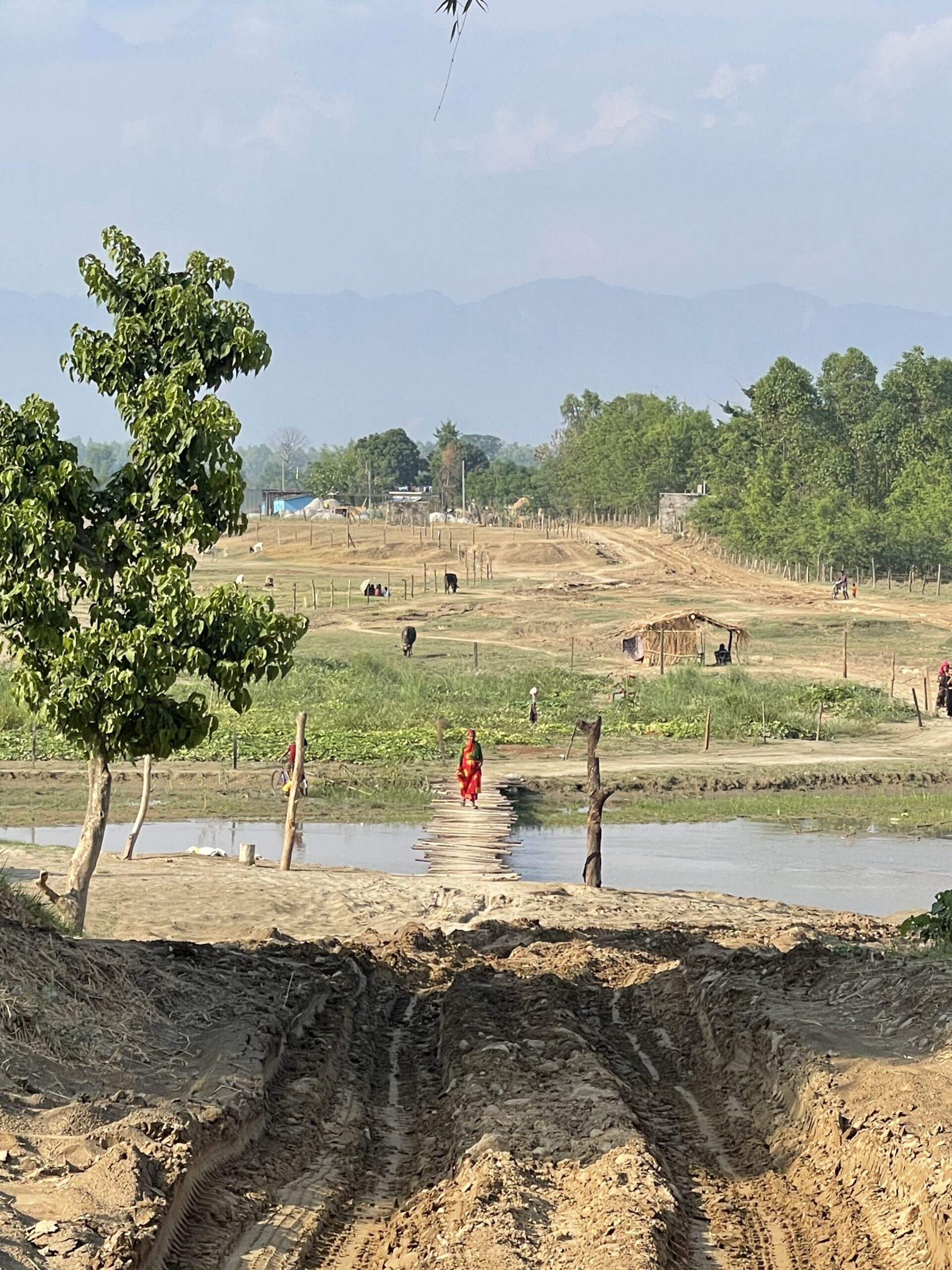
Implemented by WWF Nepal, this project focuses on the Brahmadev-Laljhadi complex located in the Sudurpaschim Province of Nepal, a landscape of 82,032 ha spanning the Terai to the mid-hills and comprising a mosaic of national park and biological corridors. The Ministry of Forests and Environment’s 2021 Vulnerability and Risk Assessment (VRA) indicated that climate-related risks are projected to increase significantly by 2050 in the Sudurpaschim Province. Unpredictable climate variability is causing a negative impact on forests, freshwater ecosystems, and the communities that depend on these critical natural resources. The province is experiencing water scarcity, increased frequency of forest fires due to prolonged dry periods, and recurring floods and landslides. These pressures are causing unprecedented challenges to ecosystems and its services, triggering the loss of suitable habitats and water sources for wildlife. The assessment also revealed that the districts within the project sites are hotspots for climate-induced disasters, placing both local livelihoods and wildlife habitats at growing risk.
As climate change reshapes resource availability in nature and disrupts ecosystem services, Ecosystem-based Adaptation (EbA) becomes crucial for reducing the potential escalation of Human-Wildlife Conflict (HWC). Evidence shows that both HWC and climate risks are rising, with a connection between the two. Without understanding the “climate-conflict nexus,” conventional HWC mitigation risks are becoming ineffective and unsustainable in the long run. Investments in such mitigation actions through business-as-usual development plans of local/provincial government and community-based Natural Resource Management (NRM) institutions will be futile.
Because understanding of the climate-conflict nexus remains limited within local planning systems, the project aims to close knowledge gaps by developing a framework on the climate-conflict nexus supported by case studies, identifying EbA interventions, and strengthening the capacity of duty bearers to translate knowledge into actions. The project results will also be shared through various mediums to support decision makers, EbA enthusiasts, and researchers in scaling solutions in other areas across the country, as well as in other countries with similar contexts.
Project Status
Project assessments reveal that districts within the complex are climate disaster hotspots, with strong linkages between climate vulnerability and HWC. Mapping of climate impacts and HWC incidents within the complex show significant overlap between conflict-prone areas and climate affected communities, especially those located near forests and river systems. In response, the project has identified a list of EbA measures through scientific assessments and community consultations. These EbA measures provide targeted recommendations to address the climate-conflict nexus within Bramhadev-Laljhadi complex. To build the capacity of key stakeholders to implement EbA interventions, the project has conducted a range of activities including training programs, awareness campaigns and an exchange visit. An exchange visit to WWF Nepal’s project site in Chitwan district demonstrated the effectiveness of EbA.
The project has drafted The Laljhadi-Mohana Forest Conservation Area Action Plan, which is currently awaiting endorsement. In parallel, Community Forest Operation Plans for community forests within the project area are being prepared. The plans integrate EbA measures to help mainstream EbA approaches. In addition, the project has developed several knowledge products to promote understanding on the nexus. These include case studies that investigate how climate change may influence HWC on the ground level. The project has developed video documentaries while targeted awareness campaigns through day celebration events, utilization of communication channels such as radio, podcasts and online platforms have helped reach wider audiences and increased awareness of the climate-conflict nexus. A mainstreaming workshop further supported the integration of EbA into local planning process.
1. Identified Climate-Conflict Hotspots in the Brahmadev-Laljhadi Complex: Completed a vulnerability and risk assessment within the complex, identifying key hotspots where the dual pressures of climate-conflict nexus are the most pronounced,
2. Documented Community Experiences on the Climate-Conflict Nexus: Developed case studies through community consultations, documenting how climate change is intensifying the conflict with wildlife in the hotspots,
3. Defined EbA Intervention to Address the Climate-Conflict Nexus: Identified 13 EbA measures through expert knowledge, application of scientific tools and in-depth community consultation with interventions to adapt to climate change along with co-benefits to mitigate HWC,
4. Strengthened Capacities for Long-term Sustainability: Enhanced local and institutional capacities through 15 targeted training programs, further strengthened by an exchange visit to another WWF Nepal project site, demonstrating the effectiveness of EbA.
5. Raised Public Awareness: Improved public knowledge and understanding of the climate-conflict nexus and EbA through 2 public service announcements on radio, 4 expert interviews in podcasts, 3 online articles and 5 informative hoarding boards.
Resources
WWF Nepal (2025)