Empowering Youth-led EbA Practices for Coastal Resilience: Building on Muro Conservation Traditions in Climate-prone Lembata Island in Indonesia
Project Information
Lembata, the largest island in the Solor Archipelago, spans 1,266.39 square kilometers and is home to 135,930 people. Plan Indonesia conducted a Climate Risk Assessment on Lembata Island to evaluate climate impacts on ecosystems across urban, upland, and coastal areas. Renowned for its cultural heritage, including handwoven textiles and whale hunting rituals, over 40% of Lembata is coastal, making it vulnerable to hazards like sea-level rise, tropical cyclones, and marine heatwaves, which threaten vital ecosystems such as coral reefs, mangroves, and fisheries.
Coastal communities rely heavily on traditional fishing, facing reduced fish production and ecosystem degradation. To address this, they practice Muro, a conservation initiative ensuring food security during tough times. Local NGO YBS Baru has successfully advocated for Muro’s recognition, yet its relevance is diminishing among youth due to perceived obsolescence.
The project aims to reduce climate vulnerabilities by involving women and youth in Ecosystem-based Adaptation (EbA) measures that leverage biodiversity for resilience. Grounded in Muro, the initiative focuses on restoring and sustainably managing ecosystems while preventing overexploitation. Youth are empowered as environmental stewards through training, fostering ownership and sustainable practices. This approach supports the Sustainable Development Goals, particularly SDG 13 (climate action), SDG 14 (life below water), and SDG 17 (partnerships). By enhancing Muro, the project promotes environmental restoration and community resilience against climate change.
Project Update
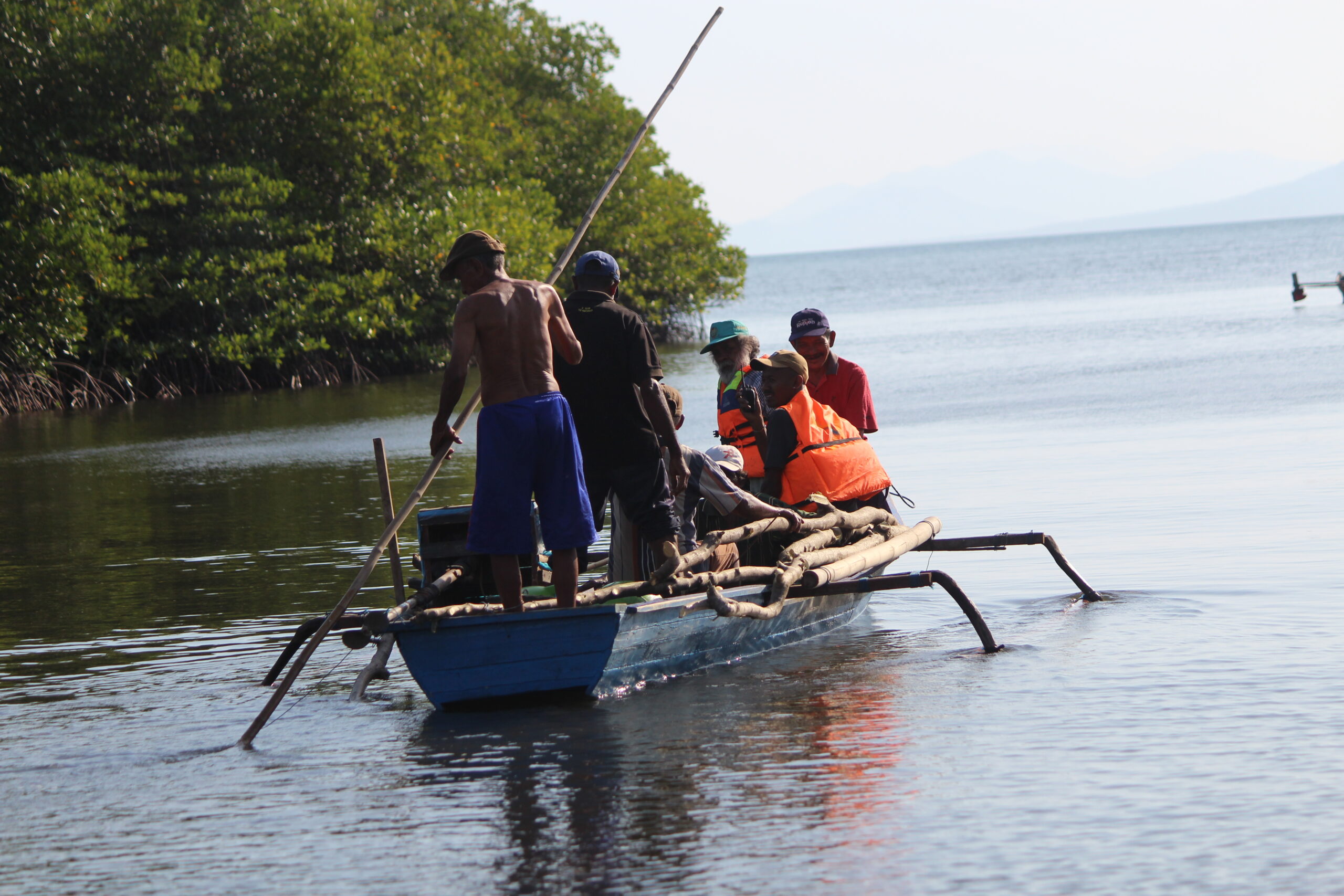
1. Strengthened Inclusive Community-Based Coastal Governance: The project established MURO Committees in target villages with representation from Indigenous communities, fishers, youth, women, and persons with disabilities. This inclusive governance structure ensured that different community groups could actively participate in decision-making processes related to coastal and marine conservation. The committees have become important platforms for local coordination, dialogue, and collective action in managing coastal resources.
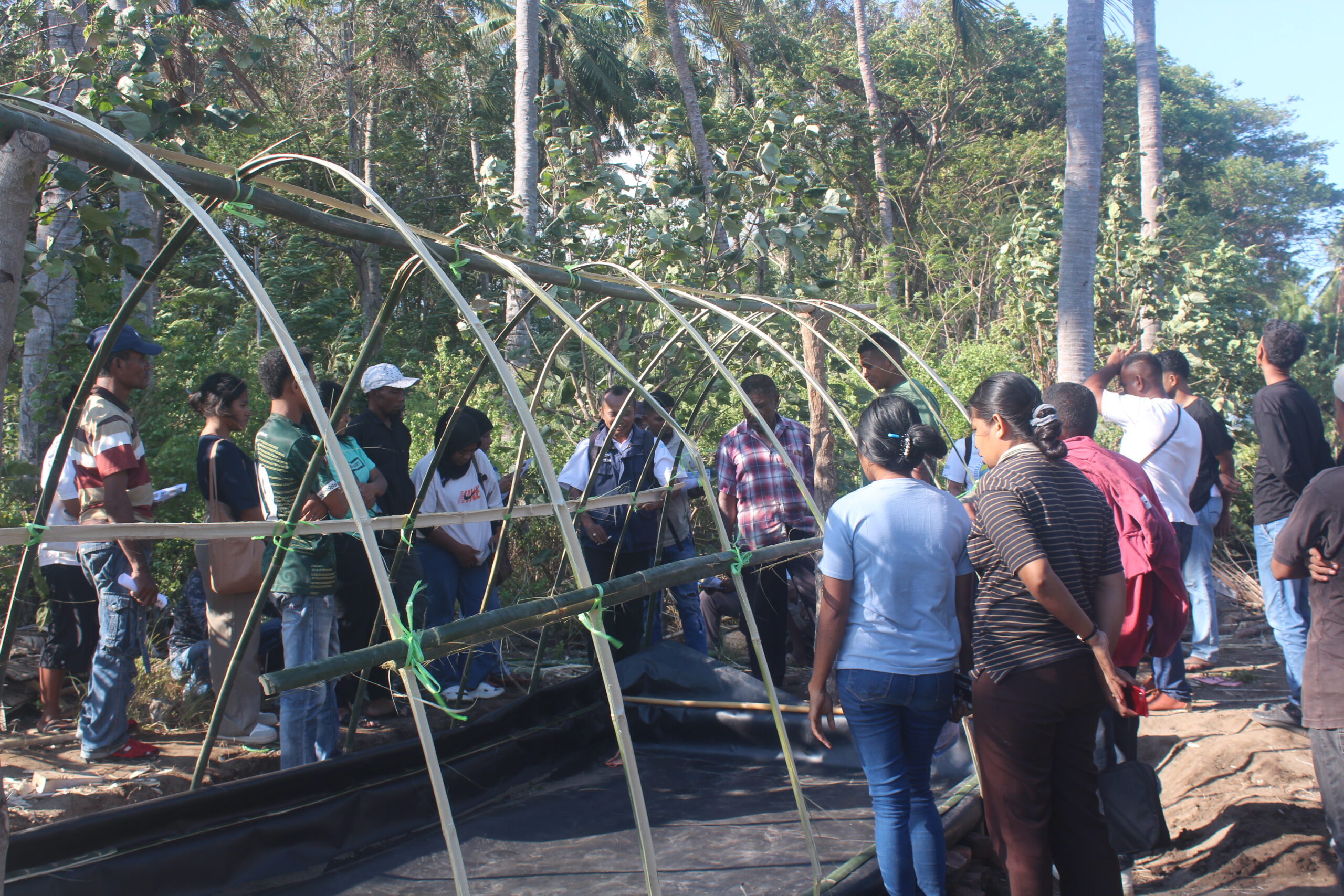
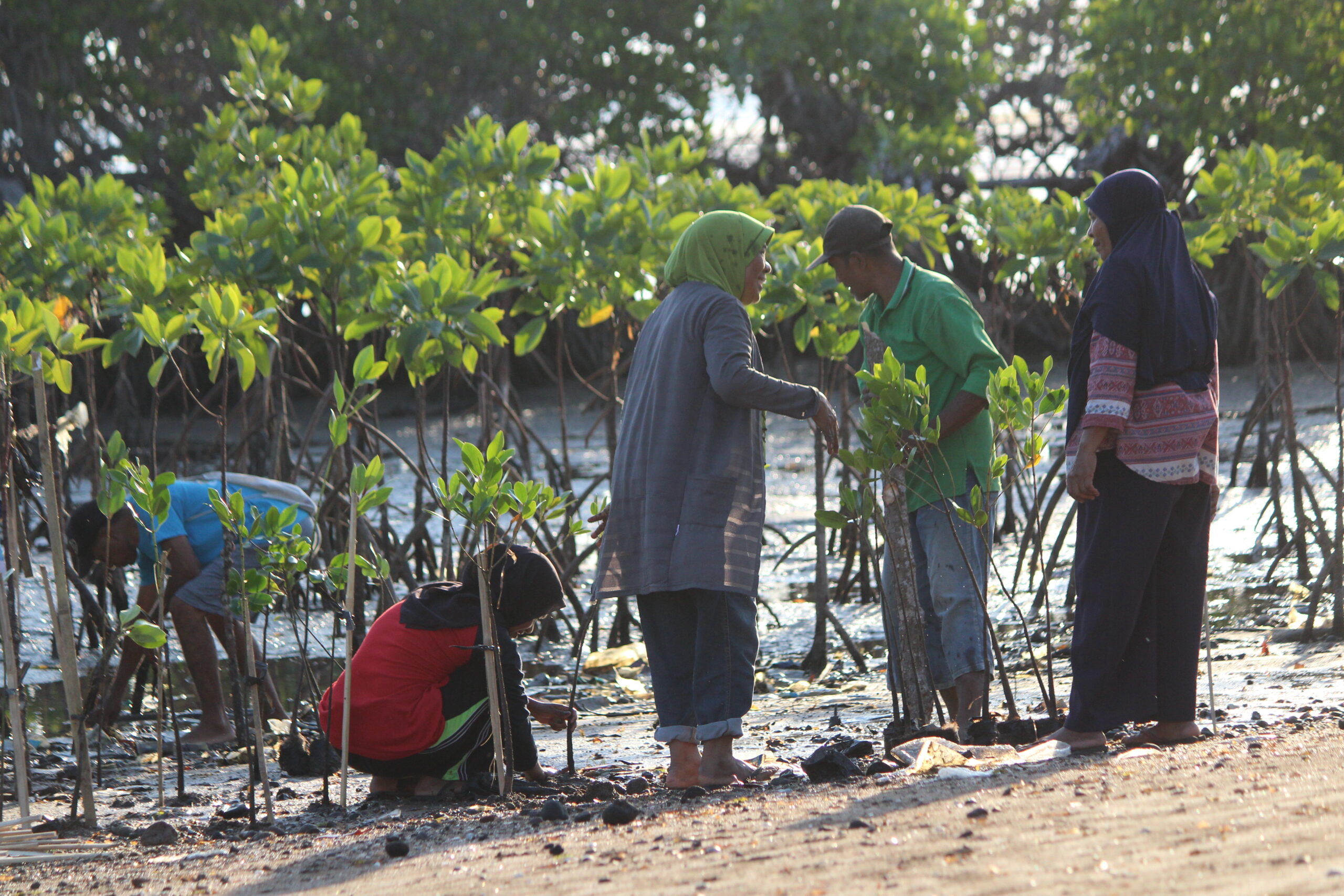
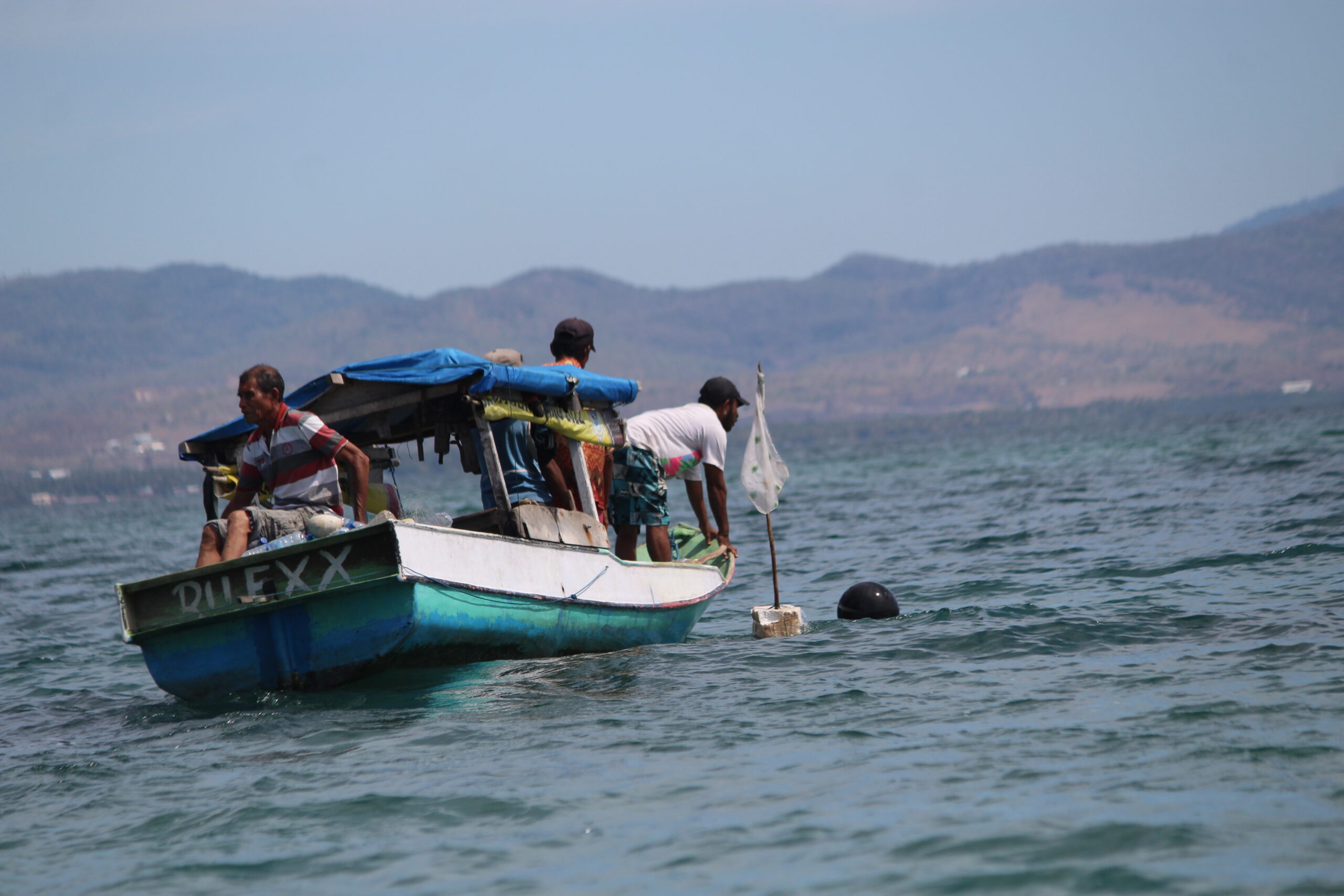
2. Expanded Community-Led Conservation and Ecosystem Restoration: Prior to the project, there were no formally recognized community-managed conservation zones in the target villages. Through participatory mapping, consultations, and local agreements, communities identified ecologically important coastal and marine areas and designated a total of 966 hectares as conservation zones. This achievement demonstrates growing community commitment to protecting marine ecosystems while promoting sustainable resource use. The project has also supported the planting of 6,000 mangrove seedlings in areas vulnerable to coastal erosion and sea level rise. Community members played a central role in site selection, planting, monitoring, and maintenance. Regular monitoring by the MURO Committees has contributed to high survival rates, while replanting efforts ensure the long-term success of restoration activities. These mangroves provide important ecological benefits, including shoreline protection, habitat for marine species, and carbon sequestration. Additionally, a total of 90 artificial reef structures (Bioreeftek) were installed to support coral reef rehabilitation and improve habitat conditions for marine life. Community members were trained and involved in the deployment and monitoring process, helping to strengthen local knowledge of marine ecosystem restoration. The activity contributes to the recovery of degraded reef areas and supports sustainable fisheries.
3. Empowered Youth Leadership and Youth-Led Climate Action: The project invested in youth leadership by providing training on coastal conservation, climate change, communication, and leadership skills. Through these activities, young people gained knowledge and confidence to engage in environmental advocacy, awareness campaigns, and community conservation initiatives. The project recognized youth as key agents of change and future leaders in coastal resource management.
As part of this effort, the project supported five youth groups through a Youth Innovation Challenge to develop and implement climate action initiatives in their communities. The challenge enabled young people to transform their ideas into practical actions, ranging from environmental awareness campaigns to community-based conservation activities:
- Saka Wirakartika: Recycling coastal plastic waste into Eco bricks and chairs and mangrove planting
- Sekolah Gembira: Creating natural dyes from mangroves trees
- Koalisi Kopi: Mangrove lab and video documentary
- OMK Waikomo: Coastal cleanup and producing paving block
- Pondok Perubahan: Developing website for a coastal enterprise: Pondokperubahan.com
4. Strengthened Sustainable Fisheries and Community Livelihoods: Training on sustainable fishing techniques and post-harvest processing was provided to MURO Committee members and local fishers. These activities aimed to improve fisheries management practices while increasing the value of fishery products and supporting local livelihoods. By linking conservation with economic opportunities, the project helped strengthen community incentives for sustainable coastal resource management.
5. Institutionalized and Documented the MURO Approach for Long-Term Sustainability:
- The project facilitated the formation of a District MURO Network composed entirely of young people and led by youth representatives. The network serves as a platform for collaboration, learning, knowledge sharing, and collective action on environmental issues.
- A community-based coastal conservation training module was developed to document project approaches, lessons learned, and practical guidance for community conservation initiatives. The module serves as a resource for future training activities and supports replication of the MURO approach in other villages and coastal communities.
- The project developed Standard Operating Procedures (SOPs) that integrate local cultural values and traditional knowledge into conservation management. These SOPs provide guidance for communities on how customary practices can contribute to the protection and sustainable management of coastal and marine resources while preserving local cultural heritage.
- Village regulations were developed and endorsed to provide a formal legal framework for MURO management and community-based supervision. These regulations define roles, responsibilities, conservation rules, and enforcement mechanisms, helping to institutionalize conservation efforts and strengthen long-term sustainability beyond the project period.
6. Increased Awareness and Collaboration: The MURO Festival brought together community members, government representatives, schools, civil society organizations, and other stakeholders to celebrate local conservation achievements. The event served as a platform to promote the MURO approach, share project learning, raise environmental awareness, and strengthen partnerships for future conservation efforts.