Enhancing Climate Change Resilience through promoting mangrove-friendly aquaculture in Myanmar’s Ayeyarwady Delta
Project Information
WWF Myanmar implemented the project “Enhancing Climate Change Resilience through promoting mangrove-friendly aquaculture in Myanmar’s Ayeyarwady Delta” to enhance climate resilience and adaptive capacities of smallholder farmers of Pyapon township by creating an enabling environment for the promotion of community-led Mangrove-Friendly Aquaculture (MFA) in the Ayeyarwady Delta.
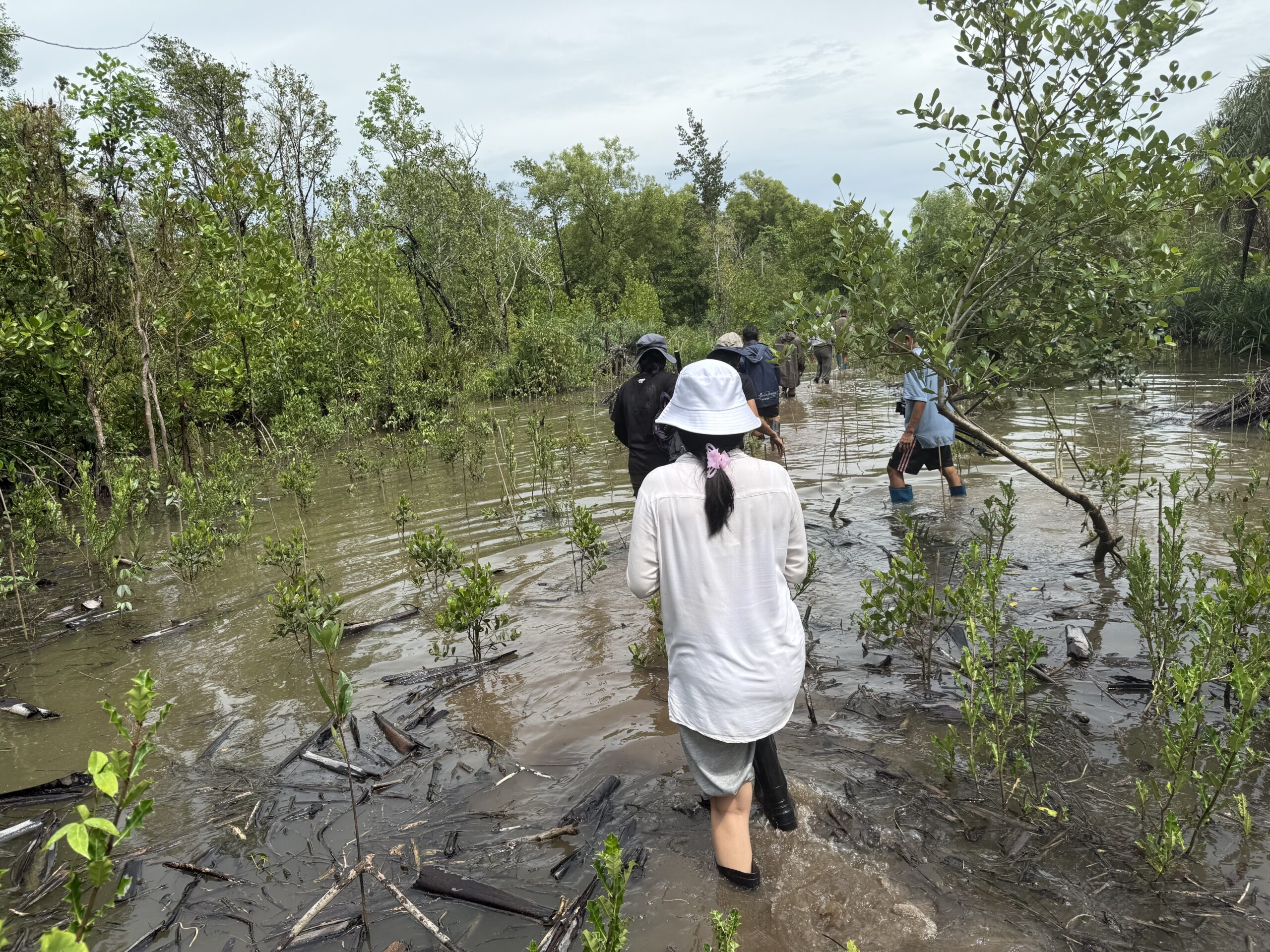
The project area covered approximately 4,900 hectares of mangrove forests in Amar Sub-Township, Pyapon District, Ayeyarwady Region. The area included community-managed and privately-managed community forests (CFs), as well as natural forests and plantations managed by Myanmar’s Forest Department. The project worked in 10 villages in the Pyindaye reserved forest, all of which held CF certificates and practiced community forestry and mangrove friendly aquaculture (e.g. shrimp and mud crab farming).
The main objectives of the project were to:
- Provide technical knowledge and resources to enhance the productivity of mangrove-friendly aquaculture and draft business plans that demonstrate return on investment to attract private sector investment
- Ensure communities realise the direct relationship between healthy mangroves and productive aquaculture.
Project Achievements
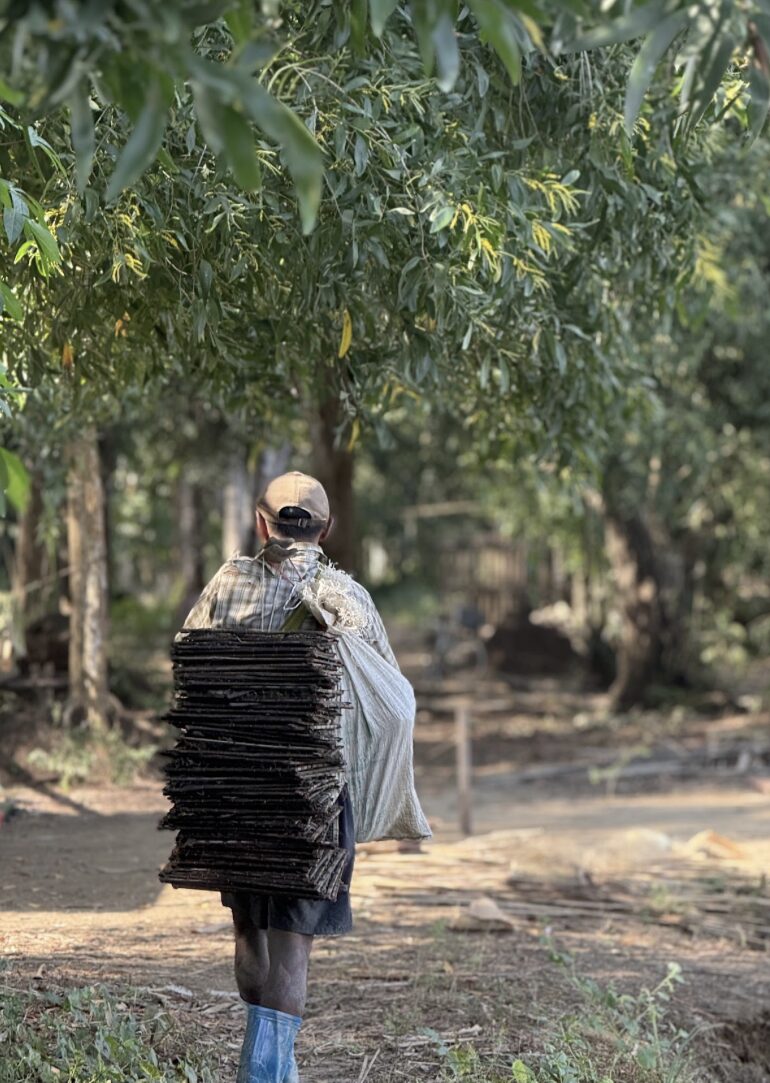
1. Enhanced technical capacity of local farmers on sustainable aquaculture practices, enabling them to improve crab production while maintaining mangrove-friendly practices.
2. Community-Based Enterprises on Mangrove-Friendly Aquaculture established and strengthened, creating a foundation for continued livelihood development and future scaling of MFA.
3. Strengthened linkages between crab farmers and private-sector actors, including the Myanmar Fisheries Federation (MFF), Myanmar Fisheries Products Processors and Exporters Association (MPEA), and Myanmar Crab Entrepreneurs Association (MCEA). These relationships provide opportunities for improved market access and stronger economic incentives for farmers to continue mangrove-friendly practices beyond the project period.
4. Local governance structures established and capacitated to support effective management and conservation of mangrove ecosystems and create a more enabling environment for productive and sustainable MFA.
5. A landscape-level participatory action plan developed to guide the restoration of degraded mangrove areas. The plan was informed by biodiversity surveys and participatory resource mapping and provides a practical framework that can also be used by future projects and funding partners to support coordinated restoration efforts.