BGF-Quito: Blue-green factor for Quito and Andean cities
Project Information
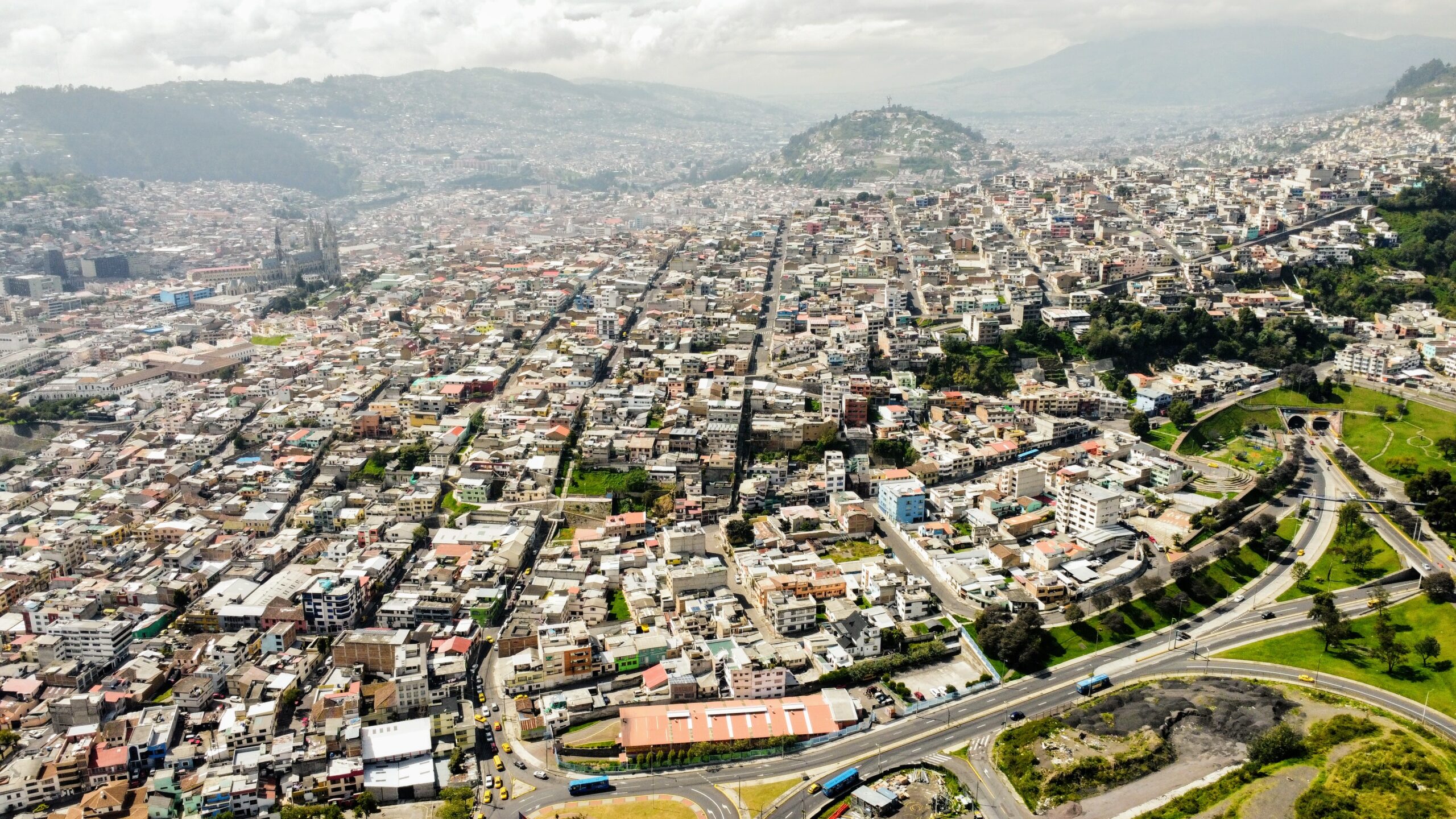
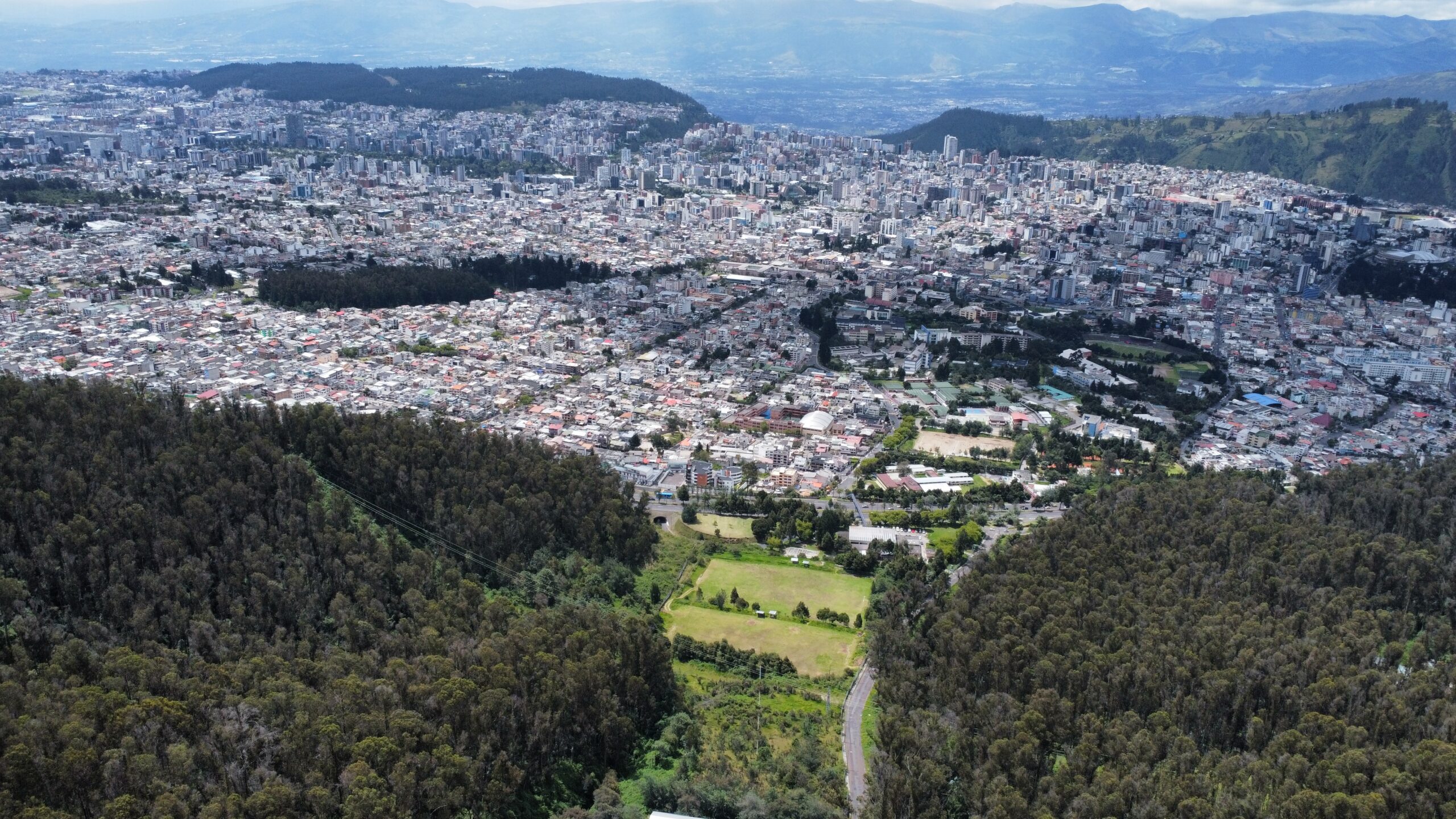
Located high in the Andes at approximately 2,800 meters above sea level, Quito is shaped by exceptional mountain ecosystems, forests, ravines, wetlands, and a highly diverse urban landscape. However, rapid urbanisation, climate change, soil sealing, and the loss and fragmentation of urban ecosystems are increasing the city’s exposure to intense rainfall, flooding, landslides, urban heat, water stress, and biodiversity loss.
Quito has become a regional pioneer in promoting Nature-based Solutions (NbS) as a pathway to climate resilience. Nevertheless, many initiatives remain concentrated in public programs and individual pilot projects, while the potential contribution of private developments, urban regeneration processes, and everyday construction projects remains largely untapped.
The BGF Quito project aims to address this gap by developing a Blue-Green Factor adapted to the city’s environmental, urban, and regulatory context. The BGF is a flexible, performance-based planning tool that assigns weighted values to features such as trees, native vegetation, permeable surfaces, green roofs, sustainable drainage systems, water retention measures, and ecological restoration. Urban projects can combine different measures to achieve a minimum blue-green performance target linked to climate adaptation, biodiversity, and ecosystem services.
The tool will be developed and tested through technical analyses, simulations in representative neighbourhoods, and a participatory co-construction process involving municipal institutions, planning and construction professionals, academia, developers, civil society, and local communities. The project will also identify practical pathways for integrating the BGF into Quito’s existing planning, regulatory, permitting, and incentive mechanisms.
By turning ecological performance into a measurable and actionable component of urban development, the project seeks to scale ecosystem-based adaptation across Quito. Its analyses, methodological findings, and lessons learned will be made publicly available to support local policy, professional practice, and future NbS initiatives. The resulting approach is intended to be adaptable and replicable in other Andean and Latin American cities facing similar climate and urbanisation challenges.
Project Updates
1. Developed a Robust and Locally Adapted BGF Methodology:
The project completed a comprehensive review of BGF and related planning tools from Berlin, Malmö, Stockholm, Seattle, London, São Paulo, and Oslo. These lessons informed the development of an initial BGF matrix adapted to Quito’s climate, ecosystems, urban form, and planning context. This review informed the identification of Quito’s priority urban-environmental challenges and the definition of the main functions expected from the BGF, including stormwater management, urban cooling, biodiversity enhancement, soil permeability, and ecological connectivity. Building on these findings, the project developed a preliminary BGF matrix adapted to Quito by combining lessons from the Oslo and Berlin methodologies with locally relevant NbS and ecosystem functions. The matrix was then tested on existing urban plots to verify the calculation process, assess its usability, and identify practical limitations, leading to an improved second version.
2. Established the Territorial and Regulatory Foundations for Implementation:
The project completed a legal and urban planning assessment identifying viable pathways for integrating the BGF into Quito’s existing planning, regulatory, permitting, and incentive mechanisms. In parallel, a multi-criteria territorial assessment was developed combining climate risk, environmental, urban, socioeconomic, and regulatory variables to identify priority areas for implementation. Based on this analysis, five representative pilot neighbourhoods were selected across contrasting urban, ecological, and regulatory contexts, representing contrasting urban forms, development dynamics, environmental conditions, and planning contexts.
3. Strengthened Technical Collaboration and Prepared for Participatory Validation:
The project completed stakeholder mapping and developed a co-construction methodology to guide the next phase of participatory validation. Technical exchanges with experts linked to the Oslo and Berlin experiences strengthened the project’s understanding of implementation, governance, and long-term institutionalisation, while initial engagement with relevant Quito municipals authorities helped present the project, raise awareness of the BGF approach, and identify opportunities for institutional coordination, technical synergies, and cooperation in the tool’s development and future implementation.