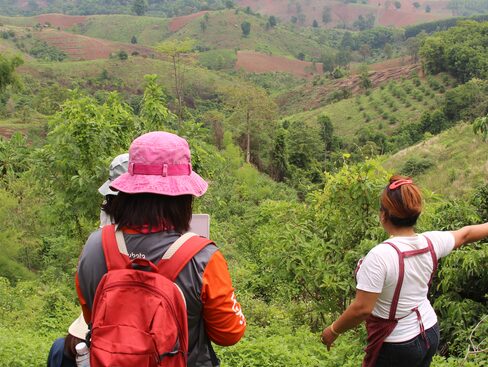
Enhancing adaptive capacity of smallholders in Thailand through the Trees4All initiative
Project Information
The Trees4all project aimed to develop financing mechanisms to support forest landscape restoration and livelihoods development of farmers in watershed areas of Nan province. Implemented by RECOFTC, the project delivered four main outputs: mobilizing funds from the public and private sectors; outreach and farmer engagement; farm design and livelihood development; and policy engagement and integration of the model into potential financing mechanisms.
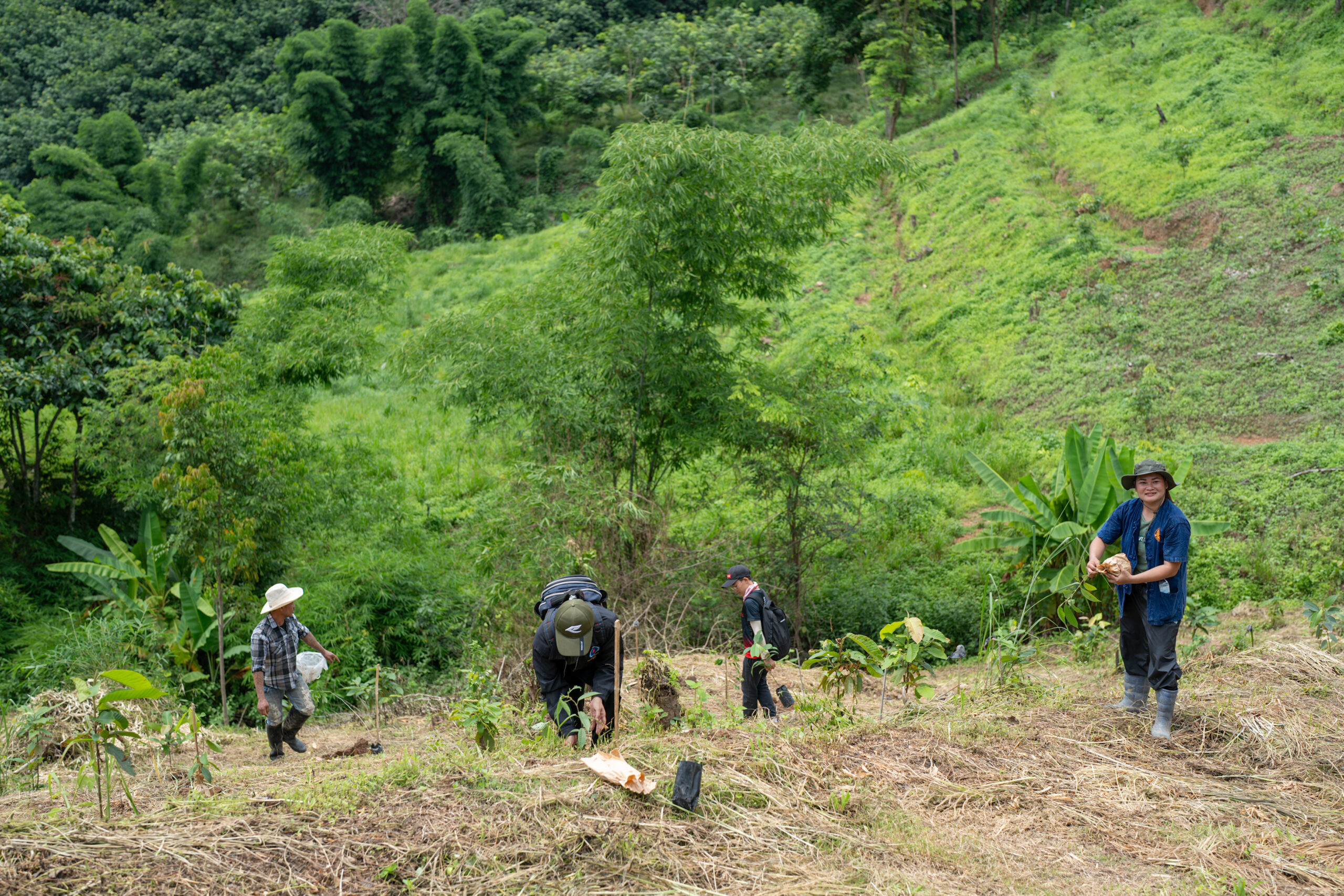
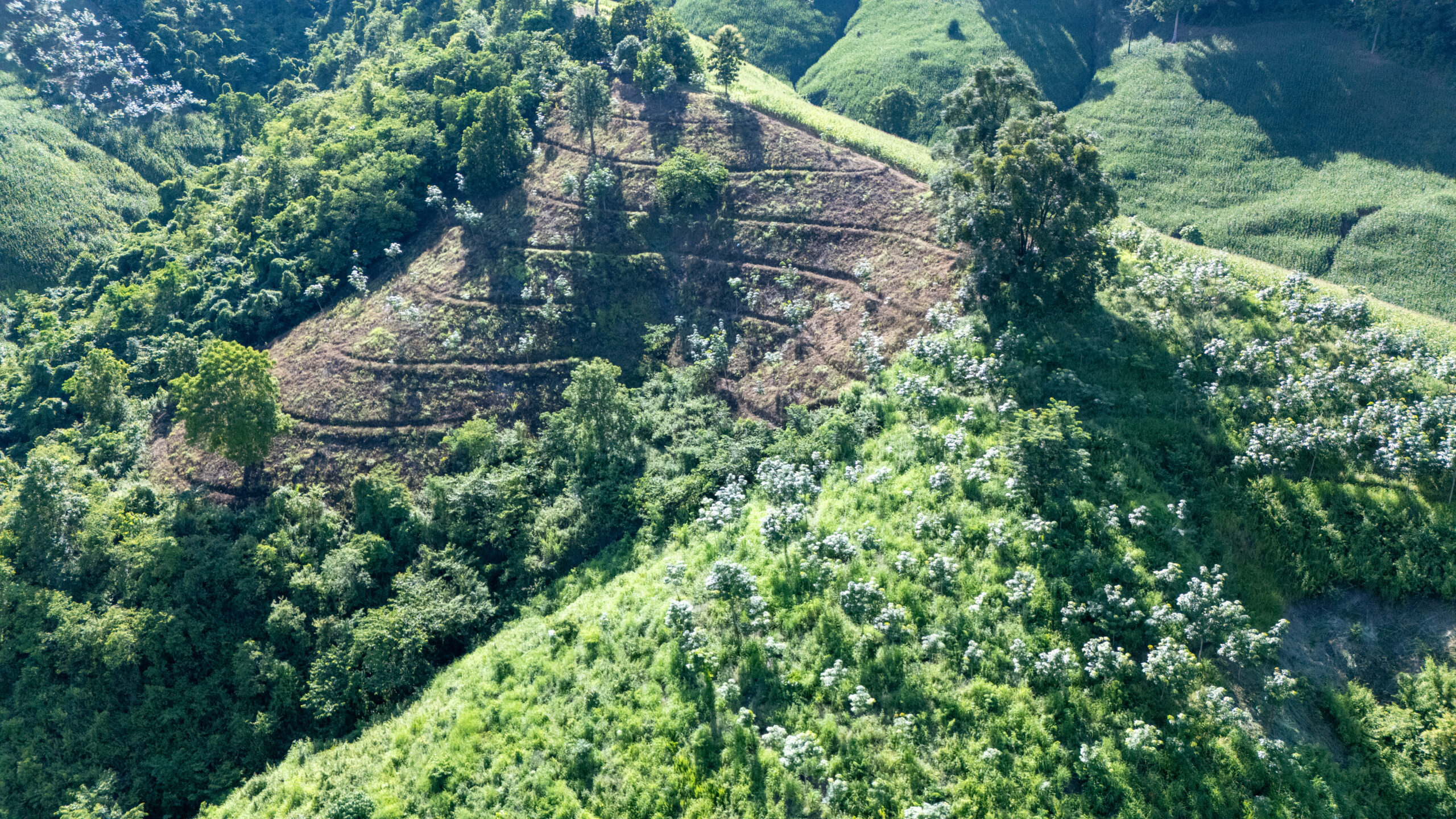
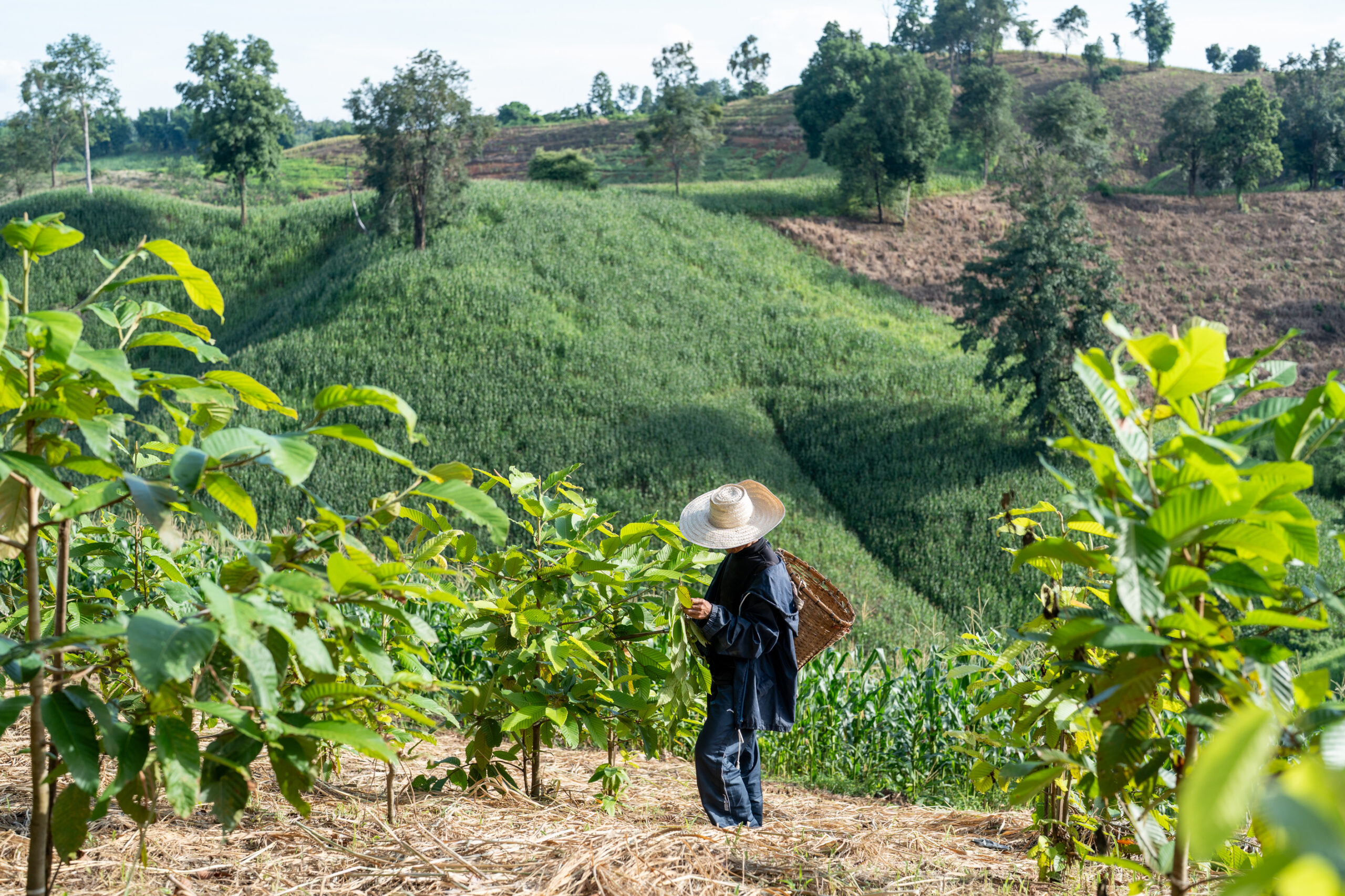
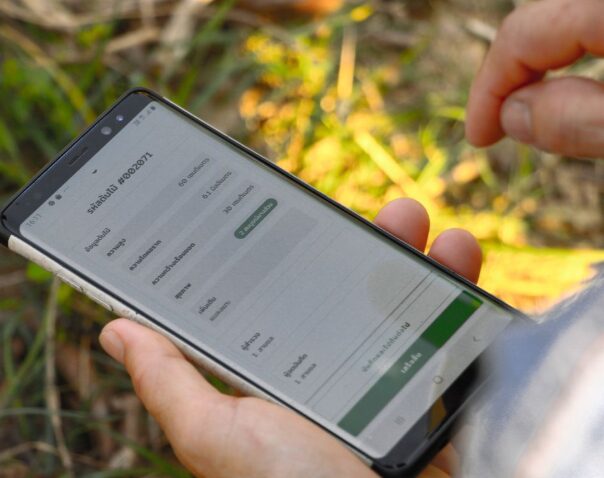
By planting native tree species in degraded watershed forest and agricultural areas, the project built ecosystem-based climate resilience of smallholders in Nan province, northern Thailand. The initiative engaged the private sector and the public in sponsoring tree planting. The funds financed smallholders to replace their monoculture crops with diverse native tree species and soil cover crops. These trees will help restore the ecosystem, support the adoption of regenerative agriculture (from crop diversification to sustainable livestock farming), and generate alternative sources of income through community-based enterprise development. For transparency, the online database trees4allthailand.org tracked the progress of the project, including each planted tree.
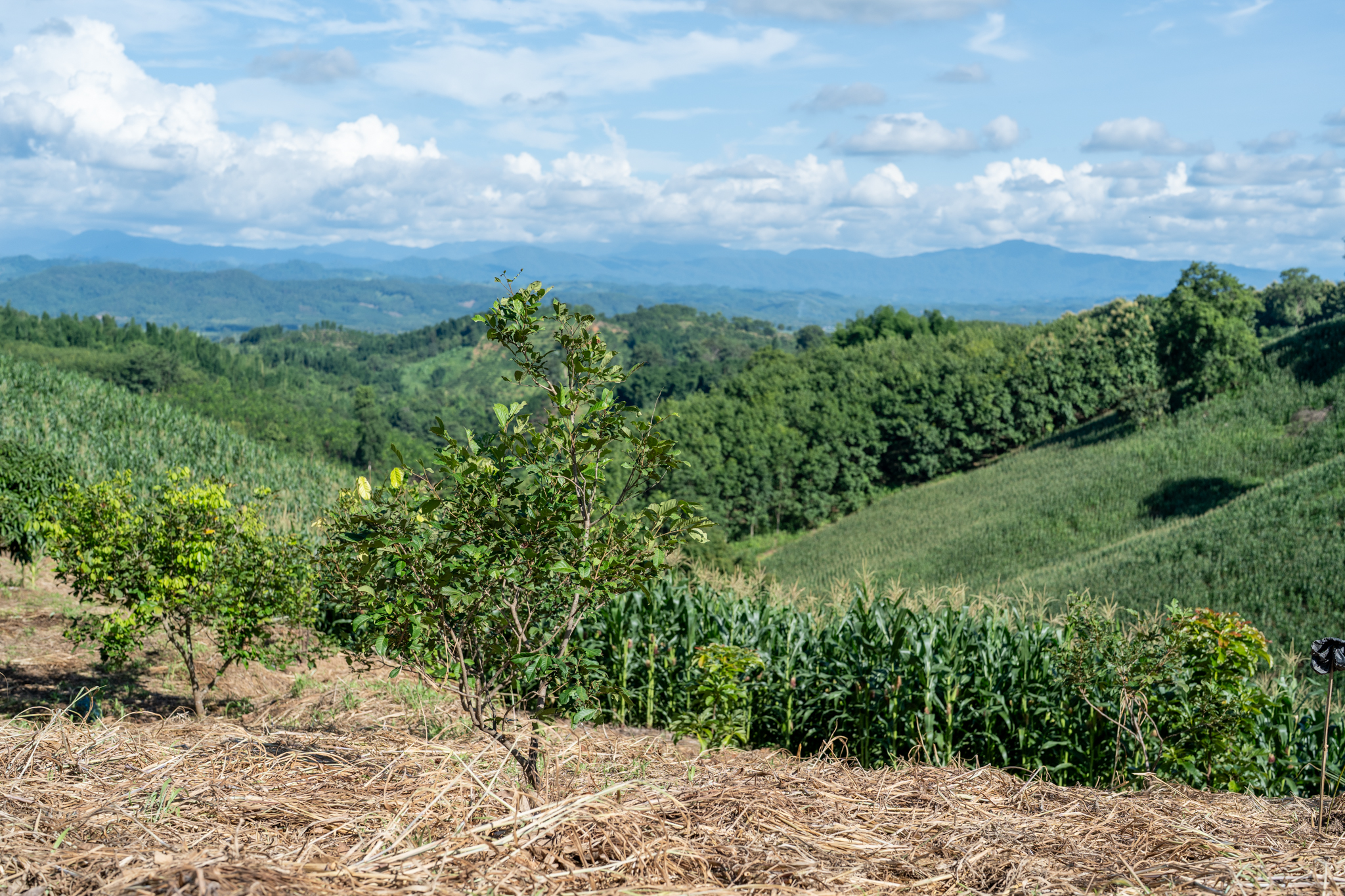
The project demonstrated a replicable forest farm model that builds ecological resilience by restoring forests, increasing habitat connectivity and biodiversity on farms, stabilizing soil, improving fertility and reducing risks from disasters. This ecosystem-based adaptation project used financial incentives for smallholders to transition away from monocropping while enhancing economic resilience through income diversification.
Project Achievements
1. Fund mobilization through crowdfunding for forest landscape restoration:
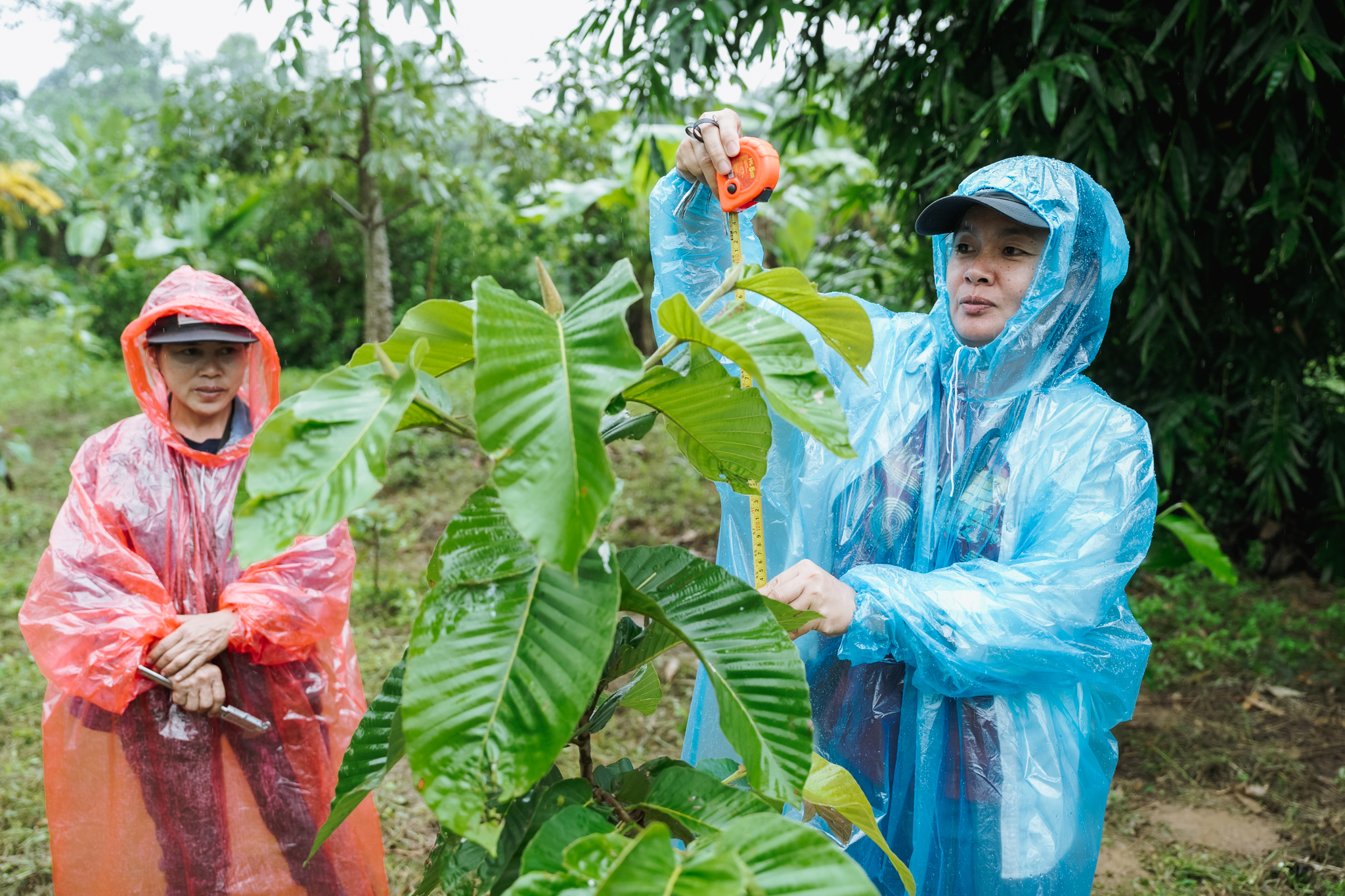
Fund mobilization achieved over 230,000 USD, resulting in more than 46,000 trees planted by 291 farmers, with a 96% survival rate in 2024. These farmers comprised diverse ethnic groups, including Northern Thai and Lua. Trees4all gained strong support from 2,600 people, including 60 private sector actors. The project also established cooperation with key agencies such as Office of Insurance Committee in Thailand and an international partner, Planeterra, helping to mobilize funding support from their respective partners. This made corporate social responsibility action meaningful, measurable and transparent through a trackable system on trees4allthailand.org.
2. Promotion of regenerative farming and transformation to agroforestry:
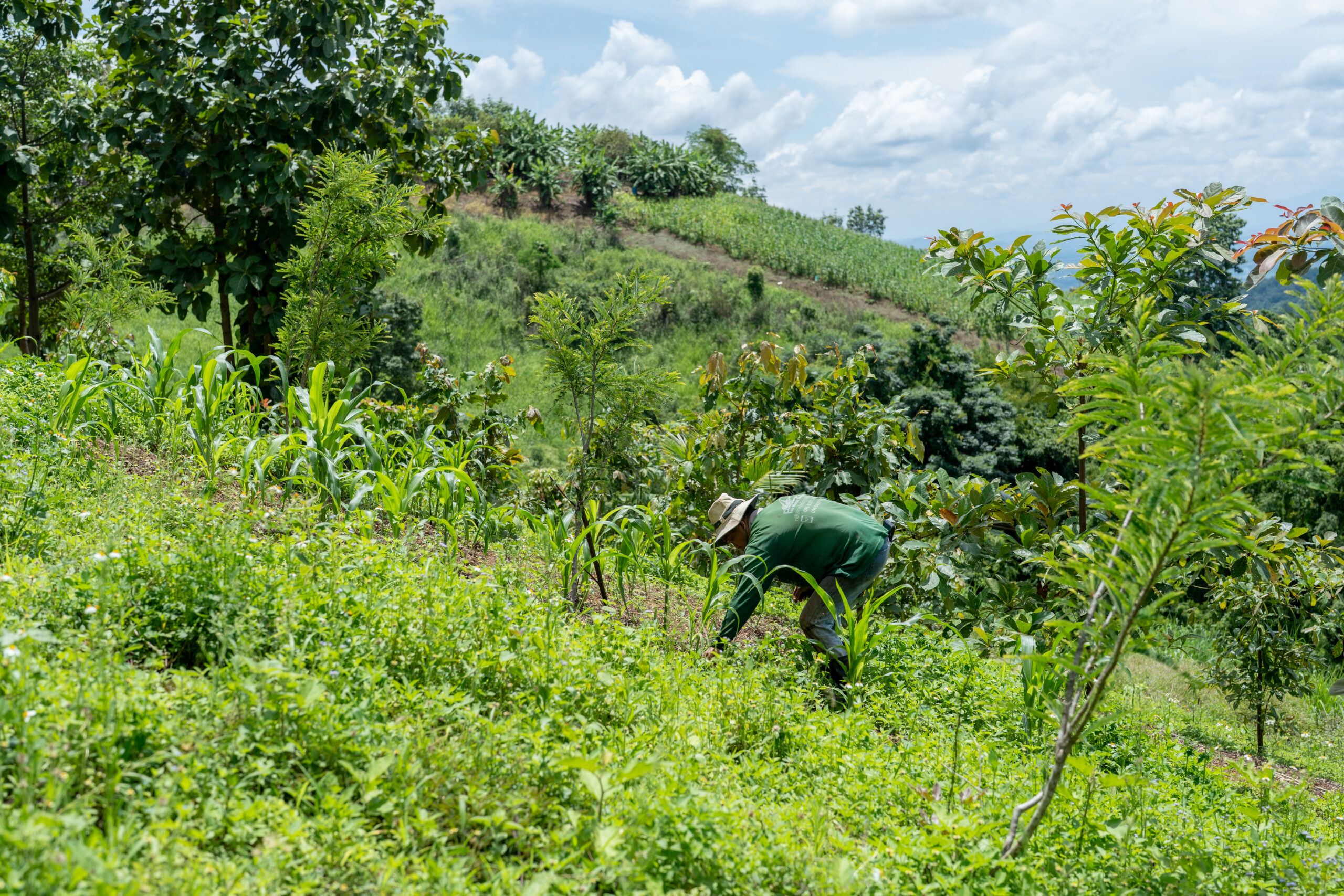
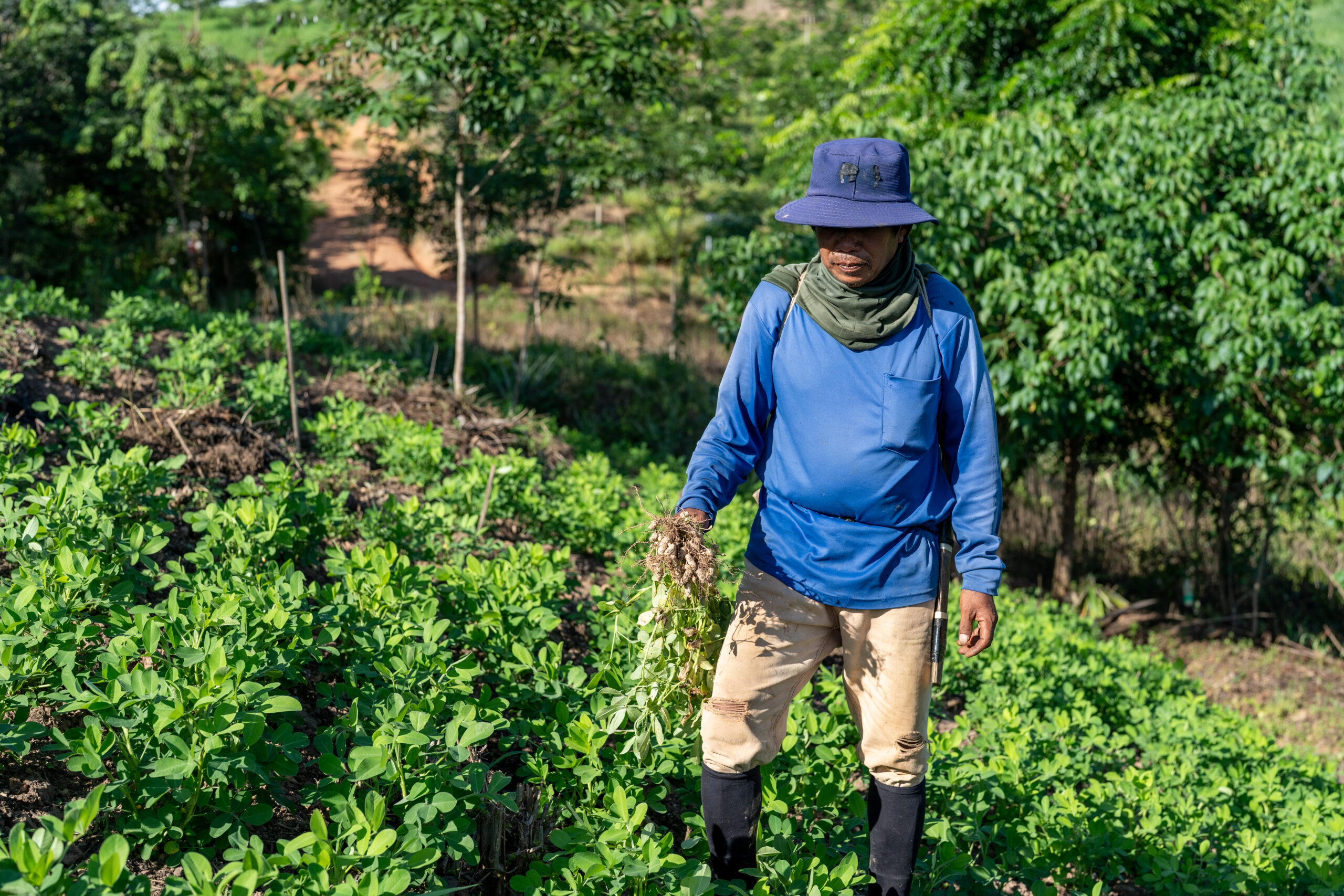
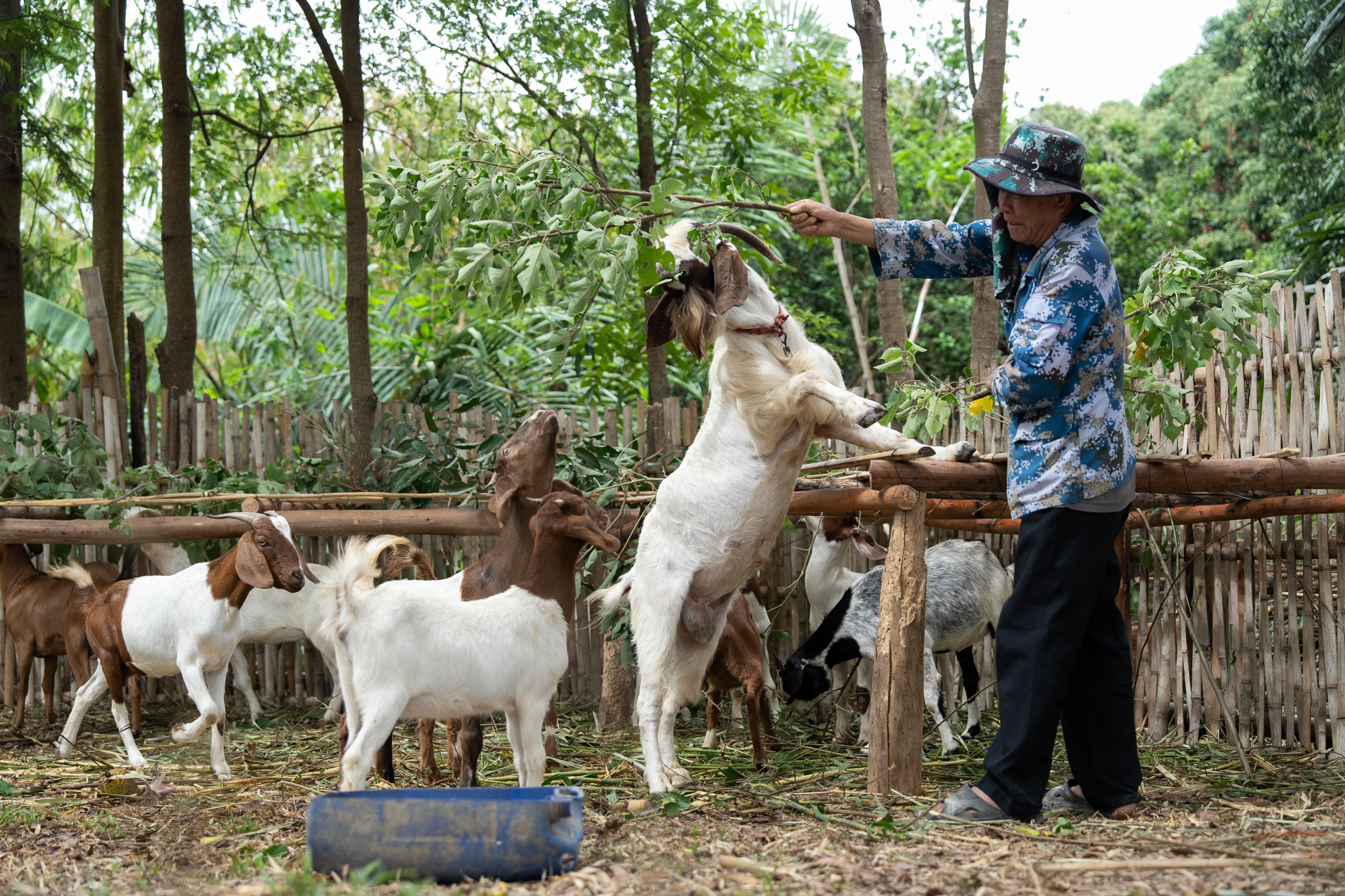
The project developed farm designs for smallholder farms composed of perennial woody trees, short-rotation crops and livestock. Farmers transitioned to agroforestry, reducing short-rotation cash crops and integrating over 40 species of perennial trees, shrubs, stingless bees and goats into their farms. Most of the trees planted were native species to improve soil, reduce risks from natural disasters, and enhance on-farm biodiversity. At the end of the project, eleven farmers were raising stingless bees and three farmers were raising goats to diversify their income sources. In addition to income generation, stingless bee and goat farming also provided ecological benefits. For example, stingless bee farming encouraged farmers to reduce the use of chemical inputs and open burning, while goat farming helped improve soil fertility and contributed to reducing open burning by utilizing agricultural residues as animal feed. As of December 2025, these farmers had a total of 51 stingless bee hives and 35 goats. This demonstrated farm-level climate resilience actions that provided alternative livelihoods, shifting away from monocropping toward regenerative systems.
3. Capacity building for community-based enterprise development:
Trees4All collaborated with various partners to strengthen farmers’ capacities for effective community-based enterprise management. Through the “Growing Community-based Enterprise” initiative, members received training in financial planning, community-based business plan development, and enterprise management. The farmers aim to produce value-added products, such as stingless bee honey and goat meat-based products. The Trees4All Community-based Enterprise is developing a standard called “Good Farming Management” (GFM) for goat raising in partnership with the Santisuk District Livestock Office. The standard will enhance the quality of goat raising practices and production to improve quality and build customer confidence. While stingless bee honey production has not yet reached a commercial scale, the Trees4All Community-based Enterprise piloted the production of stingless bee honey soap in September 2025 and will work with local businesses in Nan province for promotion and sales.
4. Policy cooperation and implementation:
Tree4all has established official cooperation with the responsible government agencies – Royal Forest Department (RFD) and Department of National Parks, Wildlife and Plants Conservation (DNP) – to implement Trees4All in the Kor Thor Chor areas and national parks. This will lead to further policy engagement and strengthen policy implementation.
Key Metrics

International Union of Forest (2024)
Communicating Forest Science Manual 2024
RECOFTC Thailand (2023)
RECOFTC Thailand launches Trees4All monitoring website, linking farmers with tree sponsors
RECOFTC Thailand (2024)
Seeds of transformation: The Trees4All collaboration toward sustainability
RECOFTC Thailand (2024)
Scaling impact from farm to landscape level requires collaboration towards Kor Tor Chor land and livelihood development